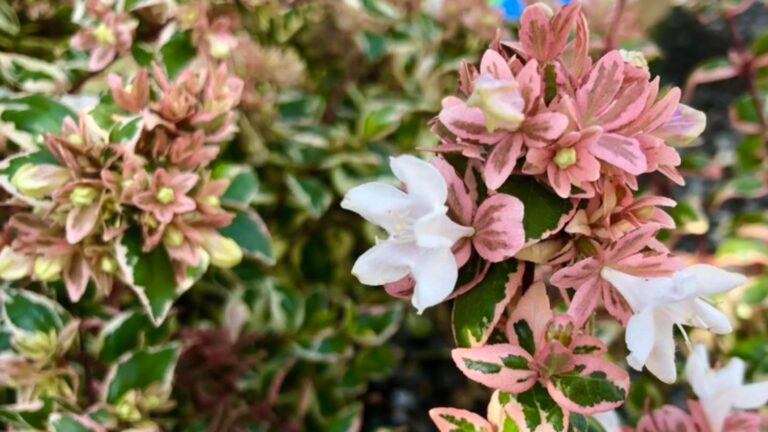
Abelia Watering Guide: Irrigation Schedule & Drought Tolerance
Newly planted abelia shrubs receiving deep weekly soakings develop root systems that extend 12-18 inches into the soil, while those getting frequent shallow watering produce weak, surface-level roots prone to drought stress[1]. This difference in root architecture explains why some gardeners achieve lush, floriferous specimens while others struggle with wilting foliage during summer heat. Understanding the distinct water needs across your abelia’s life stages transforms this adaptable shrub into a thriving garden centerpiece.
Abelia belongs to the honeysuckle family and includes over 30 species native to Eastern Asia and Mexico[2]. These semi-evergreen shrubs produce fragrant tubular flowers from late spring through fall, attracting butterflies, hummingbirds, and bees throughout the blooming season. While abelia earns its reputation as a drought-tolerant plant once established, getting the watering right during establishment and seasonal transitions determines long-term success. For foundational information about this versatile shrub, visit our comprehensive abelia guide.
Understanding Abelia Water Needs by Growth Stage
The water requirements for abelia change dramatically between establishment and maturity. Recognizing these stages helps you avoid both the root rot that plagues overwatered plants and the stunted growth caused by underwatering.
Establishment Phase: The Critical First Year
During the first growing season, your abelia requires consistent moisture to develop the robust root system that will support years of healthy growth[1]. Water newly planted shrubs regularly, providing deep soakings rather than frequent light applications[3]. This approach encourages roots to grow downward in search of moisture rather than spreading horizontally near the soil surface.
Keep the soil consistently moist but never waterlogged during establishment. The root ball and surrounding soil should remain damp without becoming saturated[3]. Check moisture levels by inserting your finger 1-2 inches into the soil—if it feels dry at that depth, it’s time to water[1].
Pro tip: Build a 2-3 inch high water-retaining berm around the planting hole’s perimeter to direct water toward the root zone during establishment[3].
When planning your planting strategy, our guide on how to plant abelia covers establishment watering in detail alongside other essential planting steps.
Mature Plants: Drought-Tolerant but Not Drought-Proof
Established abelia shrubs develop impressive drought tolerance, typically needing supplemental water only during prolonged dry periods[3]. After 2-3 months of consistent care, your abelia becomes drought tolerant and requires far less attention[4]. However, this doesn’t mean you should abandon watering entirely.
Mature plants perform best with one deep watering per week during the blooming season[5]. This maintains the consistent flowering and lush foliage that makes abelia such a garden standout. During particularly hot, dry summers, established plants benefit from 1-2 inches of water weekly[6].
Signs that your established abelia needs water include wilting leaves, drooping foliage, and leaves falling from the plant[1]. Check the soil before watering—if it’s still moist at the surface, wait until the top 2-3 inches dry out before irrigating again[1].
Seasonal Watering Adjustments
Abelia water needs fluctuate throughout the year, requiring gardeners to adjust their approach as conditions change.
Spring Watering
Spring marks the beginning of active growth, and your abelia will appreciate more frequent watering as it emerges from dormancy. This is also an excellent time to apply mulch, which conserves moisture and reduces watering frequency throughout the growing season[7]. For comprehensive guidance on spring care including watering schedules, see our spring care guide.
Apply a balanced slow-release fertilizer in early spring[6], and maintain consistent soil moisture as new growth appears. The combination of adequate water and nutrients supports the vigorous shoot development that produces abundant summer flowers. For specific feeding recommendations, check our fertilizing schedule.
Summer Watering
Summer presents the greatest watering challenge for abelia. During hot, dry periods, these shrubs need more attention than at any other time of year[3]. Even drought-tolerant established plants perform best with regular irrigation once or twice weekly during summer[6].
Container-grown abelia requires particular attention during summer heat, often needing water multiple times per week as pots dry out faster than garden soil[1]. Check moisture levels frequently during hot spells and increase watering as needed. Our summer maintenance guide provides detailed strategies for keeping your plants healthy through the hottest months.
Fall Watering
As temperatures cool, reduce watering frequency to match your plant’s slowing growth rate. Continue irrigating through fall until the ground freezes or the plant enters dormancy[8]. This late-season watering helps abelia store moisture in its tissues, protecting against winter desiccation.
Mulch applied between autumn and spring helps retain soil moisture and protects roots during temperature fluctuations[7]. Visit our fall preparation guide for complete autumn care recommendations.
Winter Watering
Abelia requires significantly less water during winter months[1]. Plants in the ground typically need no supplemental irrigation once dormant, receiving adequate moisture from winter precipitation.
The exception is container-grown abelia moved to sheltered locations. These plants may need monthly watering to prevent complete desiccation of the root ball[8]. Plants in covered, unheated spaces still lose moisture through their stems and remaining foliage, requiring occasional attention even during dormancy.
Proper Watering Techniques
How you water matters as much as when you water. Correct technique maximizes efficiency and minimizes disease risk.
Deep Watering Method
Deep watering produces stronger, more resilient plants by encouraging downward root growth[1]. Apply water slowly at the base of the plant, allowing moisture to penetrate the entire root zone without creating puddles or runoff[1].
Water thoroughly until the soil is moistened to a depth equal to the root ball height[3]. For established plants, this typically means saturating the top 6-12 inches of soil. Deep soaking less frequently promotes healthier root development than shallow, daily watering[3].
Best Time of Day to Water
Water your abelia in the morning or evening, avoiding the peak sun hours of midday[1]. Morning watering allows foliage to dry before nightfall, reducing fungal disease risk. Evening watering during cooler hours maximizes root absorption by minimizing evaporation[1].
When using automated irrigation systems, program watering for early morning hours. Late evening or nighttime irrigation can promote fungus and other foliar diseases, particularly during humid conditions[3].
Water Application at the Base
Direct water to the base of the plant rather than overhead[1]. This approach keeps foliage dry, delivers moisture directly to roots, and minimizes waste through evaporation. Use a soaker hose, drip irrigation, or a slow-running garden hose positioned at the soil surface for best results.
The Critical Role of Drainage
Proper drainage is non-negotiable for healthy abelia. Constantly soggy soil causes root rot and other deadly plant diseases far more often than drought damages these adaptable shrubs[3].
Testing Your Soil Drainage
Before planting, test drainage in your intended location. Dig a hole 12 inches wide by 12 inches deep, fill it with water, and let it drain completely. Refill the hole and time how long it takes to empty[3].
In well-drained soil, the water level drops at approximately 1 inch per hour[3]. Faster drainage indicates sandy conditions that may dry too quickly, while slower rates suggest poor drainage requiring amendment or site selection.
Proper soil conditions work hand-in-hand with watering success. Our soil requirements guide explains how to create the ideal growing environment for your abelia.
Improving Poor Drainage
If your soil drains slowly, you have several options:
- Amend with organic matter to improve soil structure
- Create raised planting beds
- Add sand or perlite to heavy clay soils
- Select a different planting location with better natural drainage
Never plant abelia in locations where water pools after rain or irrigation. The consequences of poor drainage far outweigh the effort required to find or create a suitable site.
Container Watering Guidelines
Abelia grown in containers has distinctly different watering requirements than landscape plantings. The limited soil volume and excellent drainage of containers create unique challenges requiring adjusted care.
Container plants need more frequent watering than in-ground specimens[1]. Check moisture levels daily during summer heat, and water whenever the top inch of soil feels dry. Thorough watering means soaking until water drains from the bottom of the container[1].
| Growing Situation | Watering Frequency | Signs to Watch |
|---|---|---|
| Newly planted (ground) | Every 2-3 days | Maintain consistent moisture |
| Established (ground) | Weekly during dry spells | Water when top 2-3″ dry |
| Container (summer) | 2-3 times weekly | Water when top 1″ dry |
| Container (winter) | Monthly | Prevent complete desiccation |
Regular watering leaches nutrients from container soil, so fertilize established container abelia every other week during the growing season to replenish lost nutrition[9]. For comprehensive container care including watering specifics, see our container growing guide.
Recognizing Watering Problems
Learning to read your abelia’s signals helps you catch watering issues before they cause serious damage.
Signs of Underwatering
Drought-stressed abelia displays several recognizable symptoms:
- Wilting or drooping leaves, particularly during afternoon heat
- Crispy, brown leaf edges
- Leaf drop despite otherwise healthy conditions
- Soil pulling away from pot edges (containers)
- Cracking, dry soil at the surface[1]
Underwatered plants typically recover quickly once adequately hydrated. Provide a deep soaking and monitor for improvement within 24-48 hours.
Signs of Overwatering
Overwatering causes more permanent damage than underwatering and requires faster intervention:
- Yellowing leaves throughout the plant
- Mushy stems near the soil line
- Foul odor from soil (indicates root rot)
- Fungal growth on soil surface
- Wilting despite moist soil[10]
If you notice these symptoms, stop watering immediately and check for root rot. Healthy abelia roots appear firm and white, while rotting roots look dark and mushy[10]. Severely affected plants may require repotting in fresh, dry soil with removal of damaged roots.
Water-related problems often present similarly to pest or disease issues. Our troubleshooting guide helps you distinguish between overwatering, underwatering, and other common problems.
Moisture Retention Strategies
Reducing watering frequency while maintaining plant health requires strategic moisture conservation.
Mulching for Water Conservation
Apply a 2-3 inch layer of organic mulch around your abelia to conserve soil moisture, regulate temperature, and suppress weeds[6]. Effective mulch options include:
- Shredded or chipped wood
- Pine straw
- Composted bark
- Shredded leaves
Keep mulch a few inches away from the stem to prevent moisture-related crown rot[3]. Avoid freshly chipped wood until it has cured for at least six months, as fresh chips can temporarily deplete soil nitrogen during decomposition[3].
Proper mulching dramatically reduces summer watering requirements. Learn more about this essential practice in our mulching practices guide.
Water-Retaining Berms
During establishment, build a 2-3 inch high berm of soil around the planting hole’s outer perimeter[3]. This basin collects rainfall and irrigation water, directing it toward the root zone where your plant can access it.
Remove the berm after one or two growing seasons once roots have established beyond the original planting hole.
Disease Prevention Through Proper Watering
Incorrect watering contributes to several common abelia health problems. Proper technique prevents most water-related diseases.
Avoiding Fungal Issues
Overhead watering promotes fungal diseases including powdery mildew and leaf spot, particularly in humid conditions[6]. Water at the base of plants and ensure good air circulation around foliage to minimize disease pressure.
Morning watering allows any moisture on leaves to evaporate before evening, reducing the humid conditions fungi need to thrive.
Preventing Root Rot
Root rot represents the most serious watering-related threat to abelia[10]. This fungal disease thrives in waterlogged soil and can kill plants within weeks if uncorrected.
Prevention focuses on proper drainage and conservative watering. Always check soil moisture before irrigating, and never water if the soil feels damp. If root rot develops, immediate action—including root pruning, repotting in sterile soil, and reduced watering—offers the best chance for recovery.
For comprehensive disease prevention strategies including water management, visit our disease prevention guide.
Watering During Transplanting
Moving established abelia requires careful attention to water management both before and after the transition.
Water thoroughly 24-48 hours before transplanting to minimize root shock and ensure the plant is well-hydrated for the move[11]. After transplanting, treat the plant like a new installation, providing consistent moisture throughout the first growing season as roots reestablish in their new location.
Our transplanting guide covers complete water management for successful moves.
Watering Tools and Systems
Selecting appropriate watering equipment improves efficiency and plant health.
Recommended Options
Soaker hoses deliver water directly to soil level, minimizing evaporation and keeping foliage dry. They’re excellent for hedges or grouped plantings where multiple plants need irrigation simultaneously.
Drip irrigation provides precise, efficient water delivery directly to root zones. Systems can be automated with timers for consistent scheduling.
Garden hoses with adjustable nozzles work well for individual plants when set to a gentle flow and positioned at the base.
Watering cans suit container plants and small installations where precise application matters.
Proper hydration supports your abelia through every stage of growth and every season of the year.
Conclusion
Successful abelia watering balances the shrub’s drought tolerance with its need for consistent moisture during establishment and peak growing season. Focus on deep, infrequent watering that encourages robust root development, adjust frequency seasonally, and maintain excellent drainage to prevent the root rot that threatens overwatered plants. With these principles guiding your approach, your abelia will reward you with years of fragrant blooms and attractive foliage. Start by checking your soil drainage, then implement a watering schedule matched to your plant’s growth stage and current conditions.
Key Sources:
[1] Watering Abelia | Plant Addicts
[2] Abelia Plant Guide | MasterClass
[3] How To Plant, Prune, Fertilize & Water Abelia Shrubs | Wilson Bros Gardens
[4] Abelia Varieties Collection | PlantingTree
[5] How to Plant Glossy Abelia | Free Plants
[6] Growing Abelia | Garden Design
[7] How to Plant and Care for Abelia | BBC Gardeners World Magazine
[8] Abelia Winter Care | Plant Addicts
[9] Growing Abelia in Pots | Plant Addicts
[10] Determining If Your Abelia Is Dying | Greg App
[11] The Abelia Guide | Plant Detectives