
Complete Abelia Growing Guide: Planting, Care & Varieties | Expert Tips
our neighbor’s abelia produces continuous blooms from May through October while yours barely flowers for six weeks. The difference often comes down to understanding this shrub’s specific needs for sunlight, pruning timing, and variety selection[1]. This guide covers everything you need to know about growing abelia successfully, from selecting the right variety for your climate to maximizing its pollinator appeal.
Abelia belongs to the honeysuckle family (Caprifoliaceae) and includes approximately 30 species of deciduous and evergreen shrubs native to Eastern Asia and Mexico[2]. The most commonly grown garden species, glossy abelia (Abelia × grandiflora), resulted from crossing Abelia chinensis and Abelia uniflora, and was officially introduced in 1886[3]. Understanding what abelia is provides the foundation for successful cultivation.
The University of Georgia’s Carol Robacker calls abelia “the gas station plant” because you could plant it beside asphalt and forget about it, and it would still survive and thrive.
Hardiness Zones and Climate Requirements
Abelia thrives across a broad range of climates, making it adaptable for gardeners in many regions. Most varieties perform well in USDA hardiness zones 6 through 9, though some cultivars extend this range significantly[4]. The exceptionally cold-hardy Sweet Emotion abelia (Abelia mosanensis) survives temperatures down to zone 4, opening possibilities for northern gardeners who previously could not grow this genus[5].
Climate affects abelia’s evergreen or deciduous nature considerably. In zones 8 and 9, plants remain fully evergreen year-round with glossy foliage[6]. Zone 7 gardeners typically see semi-evergreen behavior, with plants retaining most leaves through mild winters but dropping some during cold snaps. In zones 5 and 6, expect plants to behave as deciduous shrubs, potentially dying back to the ground in harsh winters before regenerating in spring[7]. Learning about hardiness zones and climate considerations helps you select appropriate varieties for your region.
The shrub tolerates temperatures down to approximately 0°F (-18°C), though stem dieback occurs more frequently in colder zones[8]. Planting near warm walls or in protected microclimates extends successful cultivation into borderline zones.
Light Requirements for Optimal Growth
Abelia performs best with six to eight hours of direct sunlight daily, though it adapts to partial shade conditions[9]. Full sun exposure produces the most abundant flowering and the most vibrant foliage colors, particularly in variegated varieties like Kaleidoscope. Understanding sunlight requirements ensures you position your plants for maximum performance.
Insufficient light leads to several noticeable problems. Plants become leggy with sparse foliage, flowering decreases substantially, and the striking foliage colors of specialty varieties fade to plain green. Avoid placing abelia under dense tree canopy or on the north side of structures that block sunlight throughout the day.
Afternoon shade benefits plants in extremely hot climates, particularly in zone 9 and warmer areas. The protection from intense late-day sun prevents leaf scorch while still providing enough light for healthy growth and flowering. East-facing locations work particularly well in these regions.
When to Plant Abelia
Timing your planting correctly gives abelia the best start for establishing strong root systems. Spring and early fall represent the ideal planting windows, allowing roots to develop before temperature extremes arrive[10]. Container-grown plants technically transplant any time the ground is workable, but avoiding the heat of midsummer reduces transplant stress significantly.
Spring planting works best in zones 5 and 6, where plants benefit from a full growing season to establish before winter. Fall planting suits zones 7 through 9, where mild winters allow continued root development. Avoid planting when soil is frozen, waterlogged, or during heat waves above 90°F. Consult our guide on when to plant abelia for detailed timing recommendations.
Morning or evening planting reduces stress compared to midday installation. The cooler temperatures and lower light intensity help newly transplanted shrubs retain moisture during the critical first hours after planting.
Choosing the Right Location
Site selection influences long-term success more than almost any other factor. Abelia requires well-drained soil as its primary site requirement since constantly soggy conditions lead to root rot and plant death[11]. Testing drainage before planting prevents costly mistakes: dig a 12-inch hole, fill with water, let it drain, refill, and time how long the second filling takes to empty. Well-drained soil drains at approximately one inch per hour.
Consider proximity to windows, walkways, and other plants when selecting locations. Foundation plantings work excellently for compact varieties that won’t obstruct views, while larger specimens need adequate space to develop their natural arching form. Our where to plant guide provides detailed site selection criteria.
Wind protection matters in colder zones. Planting near south-facing walls provides warmth accumulation while blocking cold winter winds. This microclimate modification often means the difference between evergreen retention and complete defoliation in borderline zones.
Soil Requirements and Preparation
Abelia adapts to various soil types but performs best in fertile, well-drained soil with a pH between 6.0 and 7.0[12]. This slightly acidic to neutral range optimizes nutrient uptake for healthy growth and abundant flowering. Alkaline soils above pH 7.5 may cause chlorosis (yellowing between leaf veins) due to impaired iron absorption.
Sandy soils drain well but require amendment with organic matter to retain adequate moisture and nutrients. Mix compost or well-rotted manure into sandy planting areas at a 25 to 50 percent ratio with native soil[13]. Clay soils present the opposite challenge, requiring sand and organic matter to improve drainage and prevent waterlogging. Understanding soil requirements ensures you prepare your site properly.
Testing soil pH before planting allows you to make necessary adjustments. Adding eleite sulfur lowers pH in alkaline soils, while agricultural lime raises pH in overly acidic conditions. Make amendments several weeks before planting to allow pH stabilization.
Planting Techniques
Proper planting technique establishes abelia for long-term success. Dig holes twice as wide as the root ball and equally deep[14]. This loosened soil area encourages roots to spread quickly into surrounding earth rather than circling within a confined space.
Position the plant so the top of the root ball sits at or slightly above soil level to allow for settling[15]. Planting too deeply suffocates roots and promotes crown rot. If roots appear tightly wound after removing the container, gently loosen them or make several vertical cuts through the root ball to encourage outward growth. Follow our complete how to plant guide for step-by-step instructions.
Backfill with native soil mixed with compost, tamping gently to eliminate air pockets. Water deeply immediately after planting to settle soil around roots and eliminate remaining air spaces. A two to three inch layer of mulch helps retain moisture and moderate soil temperature.
Spacing Guidelines for Different Uses
Proper spacing varies based on your intended use and the mature size of your chosen variety. Standard glossy abelia spreads six feet wide at maturity and requires proportional spacing for specimen plantings[16]. Compact varieties like Kaleidoscope reaching only three to four feet wide allow closer spacing.
For hedges, space plants at three to five feet apart depending on how quickly you want the hedge to fill in and the specific variety’s mature width[17]. Closer spacing creates a dense hedge faster but may require more pruning to maintain. Our spacing guidelines provide variety-specific recommendations.
Foundation plantings require careful calculation of mature size relative to windows and eaves. Allow at least half the mature width between the plant’s center and the house wall. This spacing prevents the constant pruning needed when plants outgrow their allotted space.
Watering Requirements
Newly planted abelia requires consistent moisture during establishment, typically one to two inches of water weekly for the first growing season[18]. Water deeply to encourage roots to grow downward rather than remaining near the surface. Shallow, frequent watering promotes weak root systems prone to drought stress.
Once established after two to three growing seasons, abelia demonstrates impressive drought tolerance. The plants survive extended dry periods, though they perform best with deep watering during summer dry spells[19]. Wilting or leaf drop during drought indicates the need for supplemental irrigation. Review our watering requirements guide for seasonal recommendations.
Container-grown abelia requires more frequent watering than in-ground plants since containers dry out faster, especially in hot weather. Check soil moisture regularly and water when the top few inches feel dry.
Fertilizing Schedule
Abelia qualifies as a light feeder, requiring minimal supplemental nutrition in reasonably fertile soil. Apply a slow-release, balanced fertilizer in early spring as new growth emerges[20]. A second light application in midsummer supports continued blooming in varieties with extended flowering periods.
Avoid over-fertilization, which promotes excessive vegetative growth at the expense of flowering. Excessive nitrogen also creates soft, disease-prone growth more susceptible to winter damage. Our fertilizing schedule provides specific product recommendations and application rates.
Organic alternatives include topdressing with one to two inches of compost annually, which slowly releases nutrients while improving soil structure. This approach builds long-term soil health rather than providing quick nutrient bursts.
Mulching Practices
Proper mulching benefits abelia in multiple ways, conserving moisture, moderating soil temperature, suppressing weeds, and adding organic matter as it decomposes. Apply a two to three inch layer of organic mulch around the base of plants, keeping mulch several inches away from stems to prevent rot[21].
Suitable mulch materials include shredded bark, wood chips, pine needles, or compost. Refresh mulch annually as it decomposes, maintaining consistent depth throughout the year. Our mulching practices guide covers material selection and application timing.
In cold climates, thicker mulch (four to six inches) applied after the ground freezes provides root protection during winter. Remove excess mulch in spring to prevent crown rot as temperatures warm.
Pruning Techniques
Abelia flowers on new wood, making late winter to early spring the ideal pruning time before new growth begins[22]. This timing allows you to remove dead or damaged branches while preserving flower buds that form on the current season’s growth. Pruning after growth starts sacrifices potential blooms.
The natural arching form looks best with selective pruning rather than shearing. Remove the oldest, thickest canes at ground level to stimulate new growth from the base. Thin out crossing branches and cut back stray stems to maintain shape without destroying the graceful, cascading habit. Follow our detailed pruning techniques guide for proper methods.
Long, vigorous watershoots sometimes emerge from the base or trunk. Remove these at their origin point rather than cutting them at the top of the plant, which only encourages further branching of the unwanted growth.
Variety Comparison
The abelia genus offers remarkable diversity, with varieties ranging from compact two-foot mounds to large eight-foot specimens. Glossy abelia (Abelia × grandiflora) remains the most widely planted species, reaching six to ten feet tall with white to pale pink flowers[23]. Our variety comparison guide helps you select the best cultivar for your specific needs.
| Variety | Height | Spread | Zones | Key Features |
|---|---|---|---|---|
| Glossy Abelia | 6-10 ft | 6 ft | 6-9 | White/pink flowers, semi-evergreen |
| Kaleidoscope | 2-3 ft | 3-4 ft | 6-9 | Color-changing foliage, compact |
| Edward Goucher | 3-5 ft | 3-5 ft | 6-9 | Lavender-pink flowers |
| Rose Creek | 2-3 ft | 3-4 ft | 6-9 | White flowers, crimson stems |
| Sweet Emotion | 4-6 ft | 4-6 ft | 4-8 | Most cold-hardy, fragrant |
Kaleidoscope stands out for its dramatic foliage that changes with seasons, emerging yellow-green in spring, turning golden in summer, then fiery orange-red in fall[24]. This compact variety works well in containers and small gardens.
Compact and Dwarf Varieties
Small-space gardening demands appropriately sized plants. Several abelia cultivars remain under three feet tall, fitting into foundation plantings, containers, and mixed borders where larger shrubs would overwhelm. Little Richard grows to just two to three feet tall and wide with vivid green foliage that turns tangerine-pink in fall[25].
Rose Creek maintains a low, mounding form reaching two to three feet tall with glossy dark green leaves on crimson stems[26]. White flowers surrounded by persistent pink sepals extend color well beyond the blooming period. Explore our compact and dwarf varieties guide for additional small-space options.
Container culture suits these compact varieties excellently. Use containers at least eight inches wider than the root ball with drainage holes, and expect to water more frequently than in-ground plantings.
Variegated Foliage Varieties
Variegated abelias provide year-round interest through their multi-colored leaves rather than depending solely on flowers for impact. Kaleidoscope offers the most dramatic color changes, while Confetti displays green leaves with creamy white margins that flush pink in cool weather[27].
Mardi Gras features softer variegation with butter, cream, and pink tones against green centers. The subtle coloring works well with other garden plants without overwhelming the composition. Learn more about variegated foliage options for your landscape.
Variegated varieties typically require more sun than solid green types to maintain their best coloring. Too much shade causes variegation to fade toward plain green as plants produce more chlorophyll to compensate for reduced light.
Cold-Hardy Varieties
Northern gardeners previously limited to watching abelia thrive in warmer climates now have options. Sweet Emotion abelia (Abelia mosanensis) survives winters in zone 4, extending the genus’s range by two full zones beyond most varieties[28]. This species also boasts exceptional fragrance, with spring blooms scenting the air with jasmine-like perfume.
Sweet Emotion flowers on old wood unlike most abelias, requiring pruning immediately after flowering if shaping is needed. The shorter bloom period (May to June) differs from the extended flowering of glossy abelia hybrids. See our cold-hardy varieties guide for zone-specific recommendations.
Glossy abelia itself tolerates zone 5 with protection, though stems may die back to the ground in harsh winters. Plants typically regenerate from the roots when protected with thick winter mulch.
Spring Care Essentials
Spring marks the beginning of abelia’s active growing season, requiring several timely tasks. Assess winter damage first, looking for dead or damaged branches that need removal. Prune before new growth emerges to avoid cutting off developing flower buds[29]. Follow our complete spring care guide for a seasonal checklist.
Apply slow-release fertilizer as growth begins, scratching granules into soil around the drip line. Water fertilizer in thoroughly to move nutrients into the root zone. Refresh mulch that has decomposed over winter, maintaining proper depth while keeping mulch away from stems.
Spring also provides an ideal window for transplanting established shrubs if relocation becomes necessary. Move plants while still dormant but after the ground thaws.
Summer Maintenance
Summer represents peak performance time for abelia, with continuous flowering from early summer into fall on most varieties. Water deeply during dry spells, providing at least one inch weekly when rainfall falls short[30]. Morning watering allows foliage to dry before evening, reducing disease pressure. Our summer maintenance guide covers warm-season care.
Long watershoots that disrupt the plant’s form can be removed throughout summer without affecting flowering significantly. Simply cut these vigorous vertical stems at their base rather than trying to incorporate them into the plant’s shape.
Monitor for aphid infestations, which occasionally cluster on tender new growth. A strong spray from a garden hose typically dislodges these pests effectively without requiring chemical intervention.
Fall Preparation
Fall tasks prepare abelia for winter dormancy and set the stage for next season’s growth. Avoid heavy pruning after August in cold climates, as this stimulates tender new growth susceptible to winter damage[31]. Light cleanup of spent flower clusters improves appearance without stimulating inappropriate growth.
Apply a thick layer of mulch (four to six inches) after the ground freezes in zones 5 and 6 to protect roots through winter. This timing prevents rodents from nesting in mulch before cold weather arrives. Follow our fall preparation guide for zone-specific timing.
Fall also provides the ideal planting window in zones 7 through 9, where mild winters allow root establishment before spring growth demands.
Winter Care
Winter care requirements vary dramatically by zone. In zones 8 and 9, abelia continues growing with minimal intervention, though watering during dry periods prevents stress. Zones 6 and 7 require protective mulching and monitoring for frost damage to tender growth.
Zone 5 gardeners should expect stem dieback in most winters. Protect roots with thick mulch to ensure spring regeneration, and avoid removing apparently dead stems until growth confirms which portions survived[32]. Our winter care guide provides regional recommendations.
Container-grown plants in cold climates require special protection. Move containers to unheated garages or wrap with insulating material to prevent root freeze damage.
Propagating From Cuttings
Abelia propagates readily from stem cuttings, allowing you to create new plants from existing specimens. Softwood cuttings taken in late spring to early summer root most successfully, typically developing roots within a few weeks[33]. Select healthy, fast-growing shoots three to six inches long with several leaves.
Remove lower leaves and dip cut ends in rooting hormone before inserting into moist potting medium. Keep cuttings in humid conditions at 65 to 70°F until roots develop. Our propagating cuttings guide provides step-by-step instructions.
Semi-hardwood cuttings taken in late summer also succeed, though rooting takes longer. Hardwood cuttings from dormant plants have the lowest success rate but work for patient gardeners willing to wait.
Layering Techniques
Layering offers an alternative propagation method requiring less attention than cuttings. The natural arching habit of abelia makes it particularly suited to this technique, as low branches readily contact the ground. Bend a flexible branch to soil level, wound the underside slightly, bury the wounded section under two to three inches of soil, and anchor with a rock or wire pin.
Roots develop over several months while the branch remains attached to the parent plant, receiving water and nutrients during establishment. Sever the rooted section the following spring and transplant to its permanent location. Learn detailed methods in our layering techniques guide.
This method produces larger transplants than cuttings with minimal risk of failure since the developing plant maintains its connection to the parent until well established.
Pest Management
Abelia enjoys remarkable pest resistance, rarely suffering serious infestations. Aphids represent the most common pest, clustering on tender new growth during spring flush[34]. Strong water sprays from a garden hose typically provide sufficient control without pesticides.
Spider mites occasionally appear during hot, dry weather, identifiable by stippled leaves and fine webbing. Increasing humidity and washing foliage regularly discourages these pests. Serious infestations respond to horticultural oil applications. Follow our pest management guide for identification and control methods.
Deer typically avoid abelia, making it valuable for landscapes where deer pressure limits plant choices. However, extreme hunger drives deer to browse plants they normally ignore.
Disease Prevention
Abelia exhibits excellent disease resistance when planted in appropriate conditions. Powdery mildew and anthracnose represent the most likely problems, both favored by poor air circulation and humid conditions[35]. Proper spacing and selective pruning to improve airflow prevents most issues.
Root rot develops in poorly drained soils, emphasizing the importance of site selection and soil preparation. Symptoms include wilting despite adequate moisture, yellowing leaves, and eventual plant death. Prevention through proper drainage proves far more effective than attempting treatment. Review our disease prevention guide for cultural practices that minimize problems.
Avoid overhead irrigation, which keeps foliage wet and promotes fungal diseases. Drip irrigation or careful ground-level watering maintains soil moisture without wetting leaves.
Troubleshooting Common Problems
Several issues commonly affect abelia, most with straightforward solutions. Sparse flowering usually indicates insufficient light or improper pruning timing[36]. Move plants to sunnier locations or adjust pruning to late winter before growth begins.
Leggy growth with few lower leaves results from excessive shade or age-related decline. Rejuvenation pruning, cutting the entire plant back to six to twelve inches in late winter, stimulates dense new growth from the base. This drastic treatment works best on healthy plants with strong root systems. Our troubleshooting guide addresses common issues and solutions.
Leaf drop during winter in normally evergreen zones often reflects root damage from waterlogged soil rather than cold injury. Improving drainage prevents recurrence.
Landscape Uses
Abelia’s versatility makes it valuable across numerous landscape applications. The combination of attractive foliage, extended bloom period, graceful form, and low maintenance suits foundation plantings, mixed borders, mass plantings, and specimen use equally well[37]. See our comprehensive landscape uses guide for design inspiration.
Foundation plantings benefit from compact varieties that won’t obstruct windows. Place plants so their mature spread keeps foliage away from siding and allows access for building maintenance. The arching form softens architectural edges effectively.
Mass plantings on slopes provide erosion control while creating sweeping drifts of color. Space plants to achieve full coverage at maturity while allowing air circulation to prevent disease.
Creating Hedges and Screens
Abelia’s dense branching creates effective hedges and privacy screens with consistent maintenance. Informal hedges require only periodic removal of wayward branches, preserving the natural arching form and maximizing flower production[38]. Space plants at their mature width for a full hedge without plant crowding.
Formal hedges require regular shearing but sacrifice much of the flowering potential since buds develop on new growth that shearing removes. The glossy foliage remains attractive even without flowers. Follow our hedges and screens guide for design and maintenance recommendations.
The semi-evergreen to evergreen nature provides year-round screening in warmer zones, though privacy reduces in winter where plants become deciduous.
Companion Planting
Abelia combines beautifully with shrubs, perennials, and ornamental grasses sharing similar growing requirements. Spirea, weigela, and maiden grass make excellent companions with compatible cultivation needs and complementary textures[39]. Explore our companion planting guide for pairing suggestions.
The arching form of abelia provides height and structure in mixed borders, allowing perennials to fill the foreground. Pair with daylilies, black-eyed susans, salvia, or coneflowers for continuous color from different bloom periods. The fine-textured foliage contrasts effectively with bold-leaved plants like hostas or coral bells.
Acid-loving companions including azaleas, rhododendrons, and camellias share abelia’s preference for slightly acidic soil, simplifying bed preparation and maintenance.
Container Growing
Compact abelia varieties thrive in containers, bringing color and fragrance to patios, decks, and entryways. Select containers at least twice the width of the root ball with drainage holes to prevent waterlogging[40]. Use quality potting mix with good drainage; add perlite if needed to improve aeration.
Container plants require more frequent watering and fertilizing than in-ground specimens since root growth is limited and nutrients leach with watering. Plan to water when the top few inches of soil feel dry, potentially daily during hot weather. Our container growing guide provides specific care recommendations.
In cold climates, container plants need winter protection since roots above ground experience colder temperatures than in-ground plants. Move containers to unheated garages or wrap with insulating material.
Foliage Color Through the Seasons
Many abelia varieties provide interest beyond flowers through foliage that changes color throughout the growing season. New growth often emerges bronze or reddish before maturing to green, while fall brings purple, orange, or red tones as temperatures cool[41]. Learn about foliage color options for maximum seasonal interest.
Kaleidoscope exemplifies this color progression, starting yellow-green in spring, deepening to golden in summer, then blazing orange-red through fall. Even winter brings interest as remaining foliage takes on burgundy tones.
Solid green varieties like Little Richard also offer seasonal color change, with vivid green summer foliage transitioning to tangerine-pink in autumn. The color display rivals many plants grown specifically for fall interest.
Flowering and Bloom Characteristics
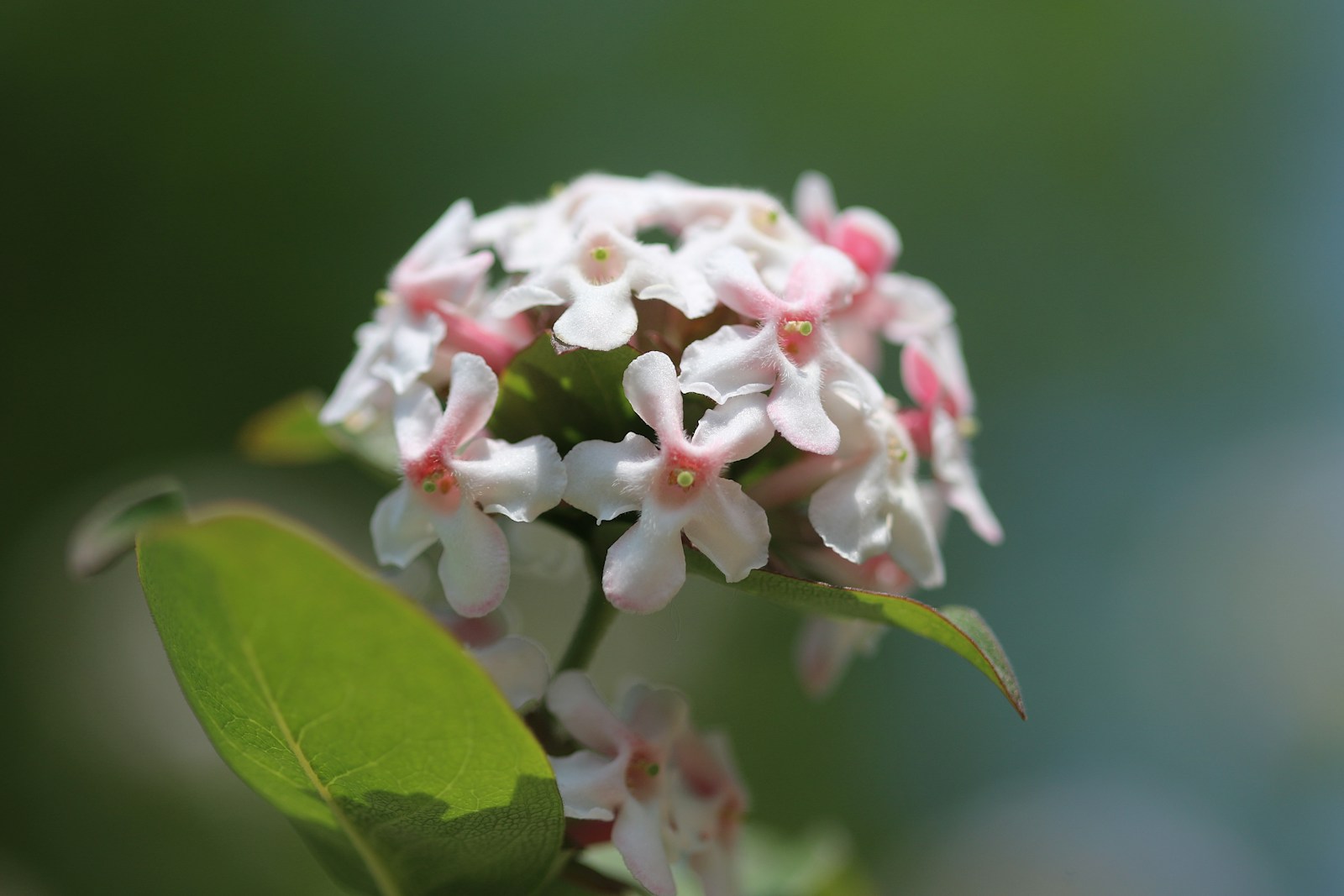
Abelia’s exceptionally long bloom period sets it apart from most flowering shrubs. Flowers appear from late spring through fall on most varieties, with peak bloom during summer months[42]. The tubular flowers range from white through pink to lavender depending on variety, often displaying multiple colors as individual blooms age. Explore flowering and bloom characteristics for detailed variety information.
Flowers form in clusters at branch tips, creating a delicate appearance that belies the plant’s toughness. Light fragrance attracts human attention along with the pollinators that flock to the blooms. Persistent sepals remain after flowers drop, extending color well beyond the actual bloom period.
Glossy abelia produces a long bloom season from June through October in most climates. Some varieties like Lavender Mist produce two distinct heavy bloom periods in June and August rather than continuous flowering.
Wildlife and Pollinator Value
Abelia ranks among the best shrubs for attracting beneficial wildlife to gardens. Butterflies, hummingbirds, and numerous bee species visit the tubular flowers throughout the extended bloom season[43]. The long flowering period provides food when many other plants have finished blooming, supporting late-season pollinators and hummingbird migration.
The shrub’s value to pollinators makes it excellent for wildlife gardens and pollinator habitat plantings. Position plants near windows to enjoy watching hummingbirds hover at blooms. Investigate wildlife and pollinator benefits for creating habitat.
Abelia does not produce berries for wildlife food, but the dense branching offers shelter and nesting sites for small birds. The plant’s role focuses on nectar production rather than seed or fruit.
Evergreen vs. Deciduous Behavior
Abelia’s evergreen or deciduous nature depends on both climate and variety. In zones 8 and 9, most varieties remain fully evergreen with minimal leaf drop[44]. Zone 7 typically sees semi-evergreen behavior, with plants retaining variable amounts of foliage depending on winter severity.
Zones 5 and 6 gardeners should expect deciduous behavior for most varieties, with plants dropping leaves in fall and potentially dying back to the ground in harsh winters. The cold-hardy Sweet Emotion abelia behaves as deciduous even in its expanded hardiness range. Understand evergreen and deciduous patterns for your zone.
Semi-evergreen behavior in borderline zones often produces attractive bronze or purple winter foliage color on retained leaves, adding interest during otherwise drab months.
Transplanting Established Plants
Moving established abelia to new locations is possible but requires careful technique to minimize transplant shock. Early spring or early fall provide the best transplanting windows, allowing root recovery before extreme temperatures arrive[45].
Water the plant thoroughly several days before digging to ensure full hydration. Preserve as much of the root ball as possible, understanding that some root loss is inevitable. Plants younger than five years transplant most successfully; older specimens face higher failure risk. Follow our transplanting established plants guide for step-by-step instructions.
Expect some leaf drop after transplanting as the plant redirects energy to root regeneration. This stress response is normal, and new growth should appear within weeks if the transplant succeeds.
Rejuvenation Pruning
Old or neglected abelia shrubs often benefit from rejuvenation pruning to restore vigor and attractive form. This technique involves cutting the entire plant back to six to twelve inches above ground level in late winter[46]. The severe cut stimulates vigorous new growth from the base, creating a dense, youthful plant within one to two growing seasons.
Perform rejuvenation pruning only on healthy plants with strong root systems. Diseased, dying, or severely stressed plants may not survive the shock, though attempting rejuvenation on such plants risks little since they would likely decline anyway. Learn proper technique in our rejuvenation pruning guide.
A less drastic approach removes one-third of the oldest, thickest canes at ground level each year for three years. This gradual rejuvenation maintains some screening while renewing the plant over time.
Creating a Successful Abelia Garden
Successful abelia cultivation combines proper variety selection with appropriate site preparation and consistent maintenance. Choose varieties suited to your climate, understanding that zone hardiness determines both survival and evergreen behavior. Match mature plant size to available space to minimize pruning needs and allow natural form development.
Site plants in full sun for best flowering and foliage color, ensuring well-drained soil to prevent root problems. Prepare planting holes properly and maintain consistent moisture during establishment. Once established, abelia requires minimal intervention beyond annual pruning and occasional supplemental watering during drought.
The combination of tough constitution, extended bloom period, wildlife value, and year-round interest makes abelia an exceptional choice for gardeners seeking beauty without constant maintenance. Whether used as foundation plantings, hedges, specimens, or container accents, these versatile shrubs reward attention to their basic needs with years of reliable performance.
Key Sources:
[1] Growing Abelia – How to Plant and Care for Glossy Abelia Plants | Garden Design
[2] Growing Abelia – How to Plant and Care for Glossy Abelia Plants | Garden Design
[3] Abelia x grandiflora (Glossy Abelia) | NC State Extension
[4] The Abelia Guide | Plant Detectives
[5] Sweet Emotion® – Hardy Abelia | Proven Winners
[6] FPS 001/FP001: Abelia x grandiflora: Glossy Abelia | UF/IFAS
[7] Abelia–Tough But Beautiful | Piedmont Master Gardeners
[8] Abelia–Tough But Beautiful | Piedmont Master Gardeners
[9] How to Plant and Grow Kaleidoscope Abelia | Epic Gardening
[10] How to Plant and Care for Abelia | BBC Gardeners World Magazine
[11] How To Plant, Prune, Fertilize & Water Abelia Shrubs | Wilson Bros Gardens
[12] How To Plant, Prune, Fertilize & Water Abelia Shrubs | Wilson Bros Gardens
[13] How To Plant, Prune, Fertilize & Water Abelia Shrubs | Wilson Bros Gardens
[14] Online Plant Guide | Abelia: A Guide to Planting and Care | Leaf Landscape Supply
[15] How To Plant, Prune, Fertilize & Water Abelia Shrubs | Wilson Bros Gardens
[16] Planting Abelia Bushes | Gardening Know How
[17] The Abelia Guide | Plant Detectives
[18] Abelia Plant Guide | MasterClass
[19] How To Plant, Prune, Fertilize & Water Abelia Shrubs | Wilson Bros Gardens
[20] Growing Abelia – How to Plant and Care for Glossy Abelia Plants | Garden Design
[21] The Abelia Guide | Plant Detectives
[22] Abelia Pruning Info | Gardening Know How
[23] Abelia–Tough But Beautiful | Piedmont Master Gardeners
[24] Abelia–Tough But Beautiful | Piedmont Master Gardeners
[25] Abelia x grandiflora ‘Little Richard’ (Glossy Abelia) | Gardenia
[26] Abelia Varieties Collection | PlantingTree
[27] 10+ Abelia Varieties to Enhance Your Garden | Spider Farmer
[28] Sweet Emotion® – Hardy Abelia | Proven Winners
[29] Pruning Abelia | Plant Addicts
[30] How to Plant and Care for Abelia | BBC Gardeners World Magazine
[31] Pruning Abelia | Plant Addicts
[32] Abelia | University of Arkansas Extension
[33] Propagating Abelia X Grandiflora | SF Gate
[34] Abelia x grandiflora (Glossy Abelia) | NC State Extension
[35] Growing Abelia – How to Plant and Care for Glossy Abelia Plants | Garden Design
[36] Abelia x grandiflora ‘Little Richard’ (Glossy Abelia) | Gardenia
[37] Growing Abelia – How to Plant and Care for Glossy Abelia Plants | Garden Design
[38] How To Plant, Prune, Fertilize & Water Abelia Shrubs | Wilson Bros Gardens
[39] Growing Abelia – How to Plant and Care for Glossy Abelia Plants | Garden Design
[40] How To Plant, Prune, Fertilize & Water Abelia Shrubs | Wilson Bros Gardens
[41] Abelia–Tough But Beautiful | Piedmont Master Gardeners
[42] Abelia Plant Guide | MasterClass
[43] Growing Abelias for Summer Color and the Pollinators | Dave’s Garden
[44] Abelias are tough and beautiful | LSU AgCenter
[45] Propagating Abelia X Grandiflora | SF Gate
[46] How To Plant, Prune, Fertilize & Water Abelia Shrubs | Wilson Bros Gardens