
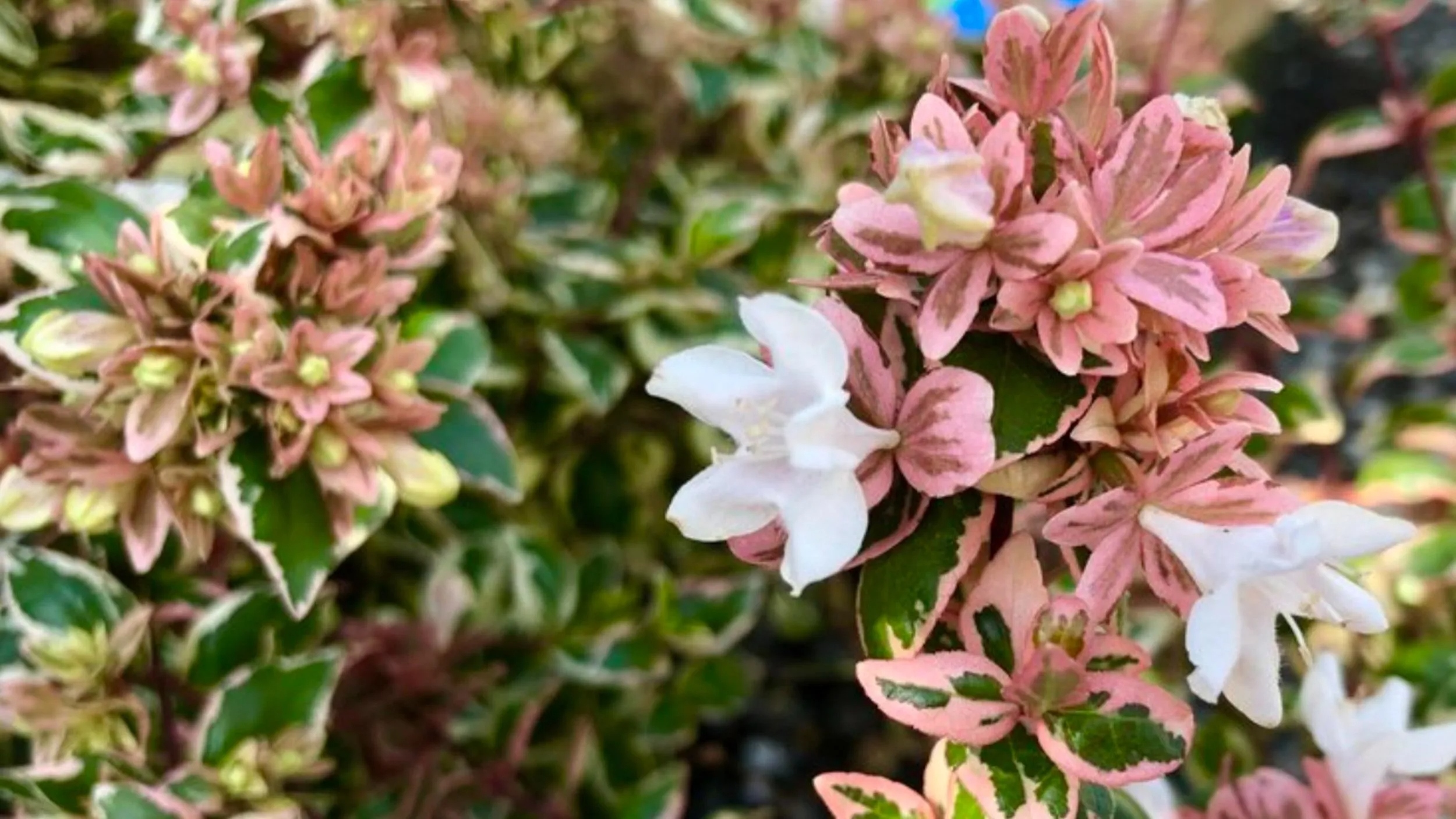
When to Plant Abelia: Seasonal Timing Guide for Success
The difference between a thriving abelia and one that struggles often comes down to timing. Plant during temperature extremes, and your shrub spends its energy fighting stress rather than developing the root system it needs to flourish. Spring and early fall offer the optimal planting windows for abelia, providing the mild temperatures and soil conditions that encourage robust establishment[1][2].
Understanding when to plant abelia matters because root development follows soil temperature patterns rather than calendar dates. Roots continue growing actively when soil temperatures remain above 45°F, even when air temperatures feel quite cool[3]. This biological reality shapes everything about choosing your planting date, from regional variations to variety-specific considerations.
Pro tip: Container-grown abelias from nurseries can technically be planted any time the ground isn’t frozen, but timing your planting for spring or fall dramatically reduces maintenance demands and improves long-term success.
Why Spring Planting Works for Abelia
Spring planting gives abelia shrubs the maximum growing season to establish roots before facing their first winter. For gardeners in USDA zones 6-7, where winter temperatures can challenge even hardy varieties, spring planting provides a safety margin that fall planting cannot match[4].
The ideal spring planting window opens after your last frost date has passed and soil temperatures reach the high 40s to mid-50s°F[3]. This timing varies significantly by region. Gardeners in zone 6 might plant in mid-April, while those in zone 9 could safely plant as early as late February. The key indicator is workable soil that crumbles when squeezed rather than forming a wet, compacted ball.
Spring-planted abelias require more consistent watering through their first summer because they’re establishing roots during the warmest, driest months. Plan to water two to three times weekly during establishment, adjusting based on rainfall and soil drainage[5]. This extra attention pays dividends when your shrub enters dormancy with a well-developed root system ready for winter.
Fall Planting Advantages
Fall planting offers several compelling benefits that make it the preferred season for many experienced gardeners. The combination of warm soil and cooling air temperatures creates ideal conditions for root development without the stress of supporting active top growth[6].
About 80% of a plant’s root growth occurs during late summer and fall months, making autumn an efficient time for establishment[6]. While you won’t see much above-ground activity, the underground work happening during fall sets the stage for vigorous spring growth. Fall-planted abelias often outperform spring plantings by their second year because they enter spring with established root systems ready to support new growth.
The ideal fall planting window falls six to eight weeks before your first average frost date[3][7].
This timing gives roots adequate opportunity to establish before soil temperatures drop too low for active growth. In the St. Louis area, for example, September and October represent prime planting months[8]. Gardeners in warmer zones 8-9 can push planting later into November because their soil remains warm enough for continued root development.
Fall-planted shrubs also benefit from reduced watering requirements. Cooler temperatures mean less evaporation, and autumn rainfall often provides much of what newly planted shrubs need. You’ll still need to monitor soil moisture and water when rainfall is insufficient, but the demands are considerably lighter than summer watering schedules.
Regional Timing Considerations
Your hardiness zone and local climate significantly influence optimal planting dates. Glossy abelia thrives in zones 6-9, with some varieties extending that range in either direction[9][10].
The Sweet Emotion® variety, for example, tolerates zone 4 conditions, while standard glossy abelia performs best where winter lows stay above -10°F[11].
Zones 6-7: Spring Priority
In colder zones, spring planting generally outperforms fall planting for abelia. The shorter growing season before first frost limits fall root establishment, and harsh winters can damage shrubs that haven’t developed adequate root systems. Wait until after your last frost date and soil has warmed before planting[3]. Late April through May typically works well for these regions.
Zones 8-9: Fall Advantage
Warmer climates favor fall planting because mild winters allow roots to continue growing slowly through the cool season[12]. The absence of extreme cold means fall-planted abelias face minimal risk of winter damage, and they emerge in spring already established and ready for vigorous growth. September through November provides an extended planting window in these zones.
Transition Zones
Gardeners in zone 7 often find success with either spring or fall planting. Consider your specific microclimate when deciding. Sites with excellent drainage, wind protection, and southern exposure can handle later fall planting than exposed, low-lying areas where cold air settles.
Soil Temperature: The Critical Factor
While calendar dates provide useful guidelines, soil temperature offers a more reliable indicator of planting readiness. Roots grow actively when soil temperatures remain above 45°F, with optimal establishment occurring between 55-65°F[3][13]. Once soil drops below 40°F consistently, root growth essentially stops until spring.
You can check soil temperature using an inexpensive soil thermometer, measuring early in the morning at a depth of 4-6 inches for several consecutive days[13]. This gives you a realistic picture of conditions in the root zone rather than surface fluctuations. Online resources and local extension services also track soil temperature data for many regions.
For fall planting, the University of Missouri recommends planting from September through the end of October in most Midwest regions to ensure adequate root development before soil cools[14]. Planting later remains possible but provides little or no root growth advantage before spring.
Planting During Off-Peak Times
Sometimes circumstances require planting outside the optimal spring and fall windows. Container-grown abelias can survive planting at any time the ground isn’t frozen, though success rates improve with additional care during challenging conditions[2].
Summer Planting Challenges
Summer planting is not advisable but can succeed with extra attention[15]. The combination of heat stress and limited root development creates significant demands on newly planted shrubs. If you must plant during summer, choose early morning or evening hours for the actual planting, water deeply and frequently, provide temporary shade during the establishment period, and consider waiting until early fall if the plant can survive in its container.
Plants experience considerable stress during temperature extremes, and transplanting adds additional pressure[16]. Postponing planting until temperatures moderate reduces the risk of transplant failure significantly.
Winter Considerations
In zones where the ground doesn’t freeze, winter planting remains possible though not ideal. The primary concern involves frozen or waterlogged soil, which damages roots and prevents proper planting technique. Avoid planting when the ground is waterlogged or frozen to prevent settling issues and root damage[2].
Container vs. In-Ground Timing
The timing considerations differ slightly between container growing and landscape planting.
For containers, early spring establishment works best because container plants face more temperature fluctuation and moisture stress than their in-ground counterparts[17].
Container-grown abelias dry out more quickly than plants in the ground, making summer establishment particularly challenging. The limited soil volume heats up faster and loses moisture more rapidly, demanding vigilant watering attention. Spring planting allows container abelias to develop roots before the hottest months arrive.
For transplanting established abelias from one location to another, the dormant season provides the best success rates. Early spring or late fall, when plants aren’t actively growing, minimizes transplant shock[18]. If you’re moving an established abelia to a new location, plan the move during these dormant periods.
Variety-Specific Timing
Different abelia varieties have slightly different planting preferences based on their cold hardiness and growth habits.
Understanding your specific variety helps optimize planting success.
Standard Glossy Abelia
The most common variety, Abelia × grandiflora, does well with standard spring or fall planting in zones 6-9. In zone 6, where winter dieback to the ground sometimes occurs, spring planting provides additional establishment time before harsh weather arrives[10].
Cold-Hardy Varieties
Varieties like Sweet Emotion® (Abelia mosanensis) tolerate zone 4 conditions and can handle earlier spring planting than standard varieties[11]. Their exceptional cold tolerance means fall planting carries less risk even in northern regions. These deciduous types bloom on old wood, so fall planting allows them to establish the previous year’s growth for spring flowering.
Compact and Dwarf Varieties
Smaller varieties like ‘Kaleidoscope’ and ‘Little Richard’ establish quickly due to their compact root systems. They’re excellent candidates for container growing, where spring planting timing becomes particularly important for first-year success[17].
First-Year Establishment Requirements
Regardless of when you plant, understanding establishment requirements helps your abelia thrive. Newly planted shrubs need regular, consistent watering until their root systems develop[19]. The establishment period for shrubs typically extends through the first two growing seasons, with roots considered established when their spread equals the above-ground canopy[19].
During the first two weeks after planting, check soil moisture daily and water deeply if the top six inches feel dry[20]. After this initial period, gradually reduce watering frequency while maintaining adequate soil moisture. The first full growing season demands the most attention, with weekly moisture checks continuing throughout.
Mulching plays a critical role in establishment success. Apply a 2-3 inch layer of organic mulch around newly planted abelias, keeping mulch several inches away from the stem to prevent bark decay[19].
Mulch moderates soil temperature, retains moisture, and reduces weed competition that can stress establishing plants.
Timing Your Spring Care
For fall-planted abelias entering their first spring, the care calendar begins as soil temperatures warm. Spring care includes assessing any winter damage, beginning a regular fertilization program, and adjusting watering as growth resumes.
| Season | Primary Tasks | Watering Frequency |
|---|---|---|
| Spring (new planting) | Plant after last frost, mulch, begin establishment watering | 2-3 times weekly |
| Summer | Monitor stress, deep water during drought | As needed based on soil moisture |
| Fall (new planting) | Plant 6-8 weeks before frost, mulch, establishment watering | Weekly, decreasing as temperatures cool |
| Winter | Water during dry spells if ground isn’t frozen | Every 2-3 weeks without rain |
Fall Preparation for Spring-Planted Abelia
Abelias planted in spring need thoughtful fall preparation to ensure winter survival. Apply a fresh layer of mulch after the ground cools to insulate roots through winter temperature fluctuations.
In zones 6-7, this protective mulch layer helps prevent the freeze-thaw cycles that can heave young plants out of the ground.
Reduce watering frequency as plants enter dormancy but continue periodic deep soaking if fall weather is dry. Roots remain somewhat active even after top growth stops, and adequate moisture heading into winter improves cold hardiness. The final deep watering before ground freezes gives roots the moisture reserves they need through dormancy.
Coordinating With Other Planting Activities
When planning abelia additions to your landscape, consider how planting timing coordinates with other garden activities. Where to plant decisions involve both the site selection and the timing that works best for that location.
Spring planting works well when you’re also adding annuals, perennials, and other warm-season plants to beds. Fall planting coordinates nicely with bulb installation and cool-season gardening activities. Either approach integrates smoothly into broader landscape maintenance schedules.
Watering Requirements by Season
Understanding watering requirements for each planting season helps you maintain proper soil moisture during establishment. Spring-planted abelias face the greatest watering challenge because establishment coincides with the warmest, driest months.
Spring plantings need water two to three times weekly during the first month, tapering to weekly deep watering as roots establish[21].
Monitor soil moisture rather than following a rigid schedule, as drainage, weather, and soil type all influence how quickly the root zone dries.
Fall plantings require less frequent attention because cooler temperatures reduce evaporation and autumn rainfall often contributes significantly to moisture needs. Water weekly during establishment, reducing frequency as temperatures drop. Continue watering every two to three weeks through winter during dry spells when the ground isn’t frozen[6].
Step-by-Step Planting Instructions
Once you’ve chosen your planting date, following proper planting technique maximizes your timing advantage. The fundamentals remain consistent regardless of season.
Dig a hole twice as wide as the root ball and as deep[1][2]. This width matters more than depth because abelia roots spread horizontally rather than diving deep. Loosen soil at the edges of the planting hole to encourage root expansion into surrounding soil.
Remove the shrub from its container and gently loosen any circling roots. Root-bound plants struggle to establish because tightly wound roots continue circling rather than spreading into new soil. Set the plant so the top of the root ball sits slightly above the surrounding soil surface to account for settling[2].
Backfill with the original soil, firming gently to eliminate air pockets without compacting excessively. Water thoroughly to settle soil around roots. Apply mulch immediately after planting, maintaining the crucial gap between mulch and stem.
Conclusion
Timing your abelia planting for spring or early fall gives your shrub the best foundation for long-term health. Spring planting suits colder zones and provides maximum establishment time, while fall planting leverages warm soil and reduced water demands in milder climates. Monitor soil temperature rather than relying solely on calendar dates, and adjust your approach based on your specific variety and regional conditions.
Plan your planting for six to eight weeks before the first fall frost or after the last spring frost, and your abelia will reward you with years of beautiful foliage and fragrant blooms. For complete guidance on getting your new shrub in the ground, explore our abelia guide or dive into detailed planting instructions.
Key Sources:
[1] The Abelia Guide | Plant Detectives
[2] How to Plant and Care for Abelia | BBC Gardeners World Magazine
[3] Fall Planting or Spring Planting | West Virginia University Extension
[4] When To Plant A Suntastic Pink Abelia | Greeny Gardener
[5] Abelia Care | Plant Addicts
[6] The Advantages Of Fall Planting | High Country Gardens
[7] Fall Planting Benefits Trees and Shrubs | University of Missouri IPM
[8] Can You Plant Shrubs in the Fall? | Poynter Landscape
[9] Abelia x grandiflora | North Carolina Extension Gardener Plant Toolbox
[10] Glossy Abelia | Virginia Tech VCE Publications
[11] Sweet Emotion® Hardy Abelia | Proven Winners
[12] How to Plant, Grow, and Care for Kaleidoscope Abelia | Epic Gardening
[13] Fall is the Perfect Time to Plant a Yard Tree | University of Missouri
[14] Fall Planting for a Better Spring Start | University of Missouri IPM
[15] Planting Abelia | Plant Addicts
[16] Heat Wave: How to Identify and Prevent Heat Stress | OSU Extension
[17] Growing Abelia in Pots | Plant Addicts
[18] Transplanting Established Trees and Shrubs | Clemson HGIC
[19] Watering Newly Planted Trees and Shrubs | UMN Extension
[20] Watering Trees and Shrubs | University of Maryland Extension
[21] How To Care For Newly Planted Shrubs | Davey Tree