Where to Plant Abelia: Best Location & Site Selection Guide
Finding the perfect spot for your abelia determines whether you get a thriving, flower-covered shrub or a struggling plant that never reaches its potential. Glossy abelia performs best when planted in locations providing full sun to partial shade with well-draining soil and protection from harsh winter winds[1]. Understanding your site’s specific conditions before planting saves years of disappointment and wasted effort.
This comprehensive abelia guide walks you through every factor to consider when selecting your planting location, from sunlight and soil to spacing and climate considerations.
Understanding Abelia’s Growing Requirements
Abelia shrubs belong to the honeysuckle family and include both deciduous and evergreen species native to eastern Asia and Mexico[2]. The most popular variety, glossy abelia (Abelia × grandiflora), produces fragrant tubular flowers from late spring through fall while requiring remarkably little maintenance once established.
Before choosing a location, assess your property for these essential growing conditions. Abelia thrives in USDA hardiness zones 6-9, though some varieties like Sweet Emotion® can survive in zone 4[3]. The shrub tolerates a range of soil types including loam, clay, and sandy soils, but drainage remains non-negotiable[4].
Carol Robacker, a horticulturalist involved with the abelia breeding program at the University of Georgia, describes abelia’s toughness memorably: the university calls it the “gas station plant” because you could plant it beside a gas station surrounded by asphalt and it would still survive and thrive[5].
Sunlight Requirements for Optimal Growth
The amount of light your chosen location receives directly impacts flowering, foliage color, and overall plant health. For best blooming and foliage color, aim for at least 6 hours of sunlight daily[4]. Plants in full sun produce more abundant flowers and develop richer foliage colors throughout the seasons.
Full Sun vs. Partial Shade
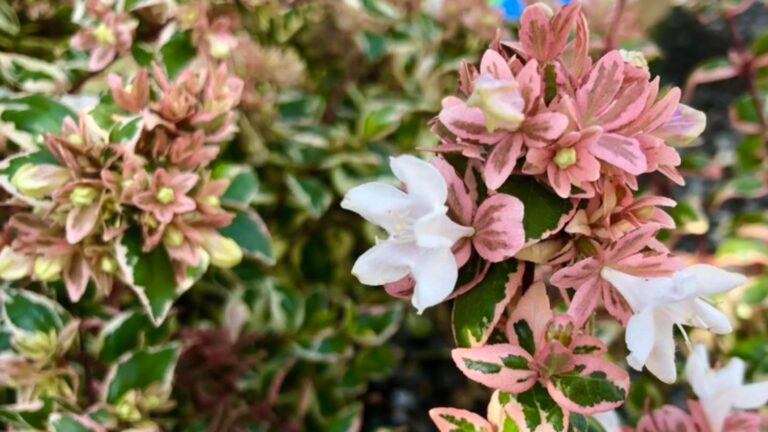
Abelia performs well in both full sun and partial shade conditions, but with notable differences. Full sun locations (6-8 hours of direct light) produce the most abundant flowering and intensify foliage colors[6]. Plants grown in more sun become more floriferous, and variegated varieties like ‘Kaleidoscope’ display their most vibrant color transitions in brighter locations[7].
Partial shade (4-6 hours of direct sun) works adequately, though you may notice reduced flowering. Some varieties including Funshine®, ‘Confetti,’ and ‘Kaleidoscope’ show better shade tolerance due to their lighter or variegated foliage[8]. Understanding your specific sunlight requirements helps match variety selection to your available conditions.
Signs of Inadequate Light
Plants become thin and unattractive in heavy shade and do not flower[9]. Watch for these warning signs indicating insufficient light:
- Leggy, stretched growth with sparse foliage
- Reduced or absent flowering
- Loss of vibrant foliage coloration
- Weak, floppy stems
Avoid placing abelia in dense shade under large leafy trees or against north-facing walls that receive little direct sunlight.
Soil Conditions and Drainage
Well-draining soil prevents the root rot that kills more abelias than any pest or disease. The shrub adapts to various soil types but struggles in constantly soggy conditions[10].
Ideal Soil Characteristics
Abelia grows best in fertile, moist but well-drained soil enriched with organic matter[4]. The optimal pH range falls between 6.0 and 7.0 (slightly acidic to neutral), though the plant tolerates a broader range from 5.0 to 7.5[11]. Review our detailed soil requirements guide for specific amendment recommendations.
For heavy clay soils, mix in organic matter such as compost, sand, or bagged topsoil at a 25-50% ratio to improve drainage[11]. Sandy or quick-draining soils benefit from adding topsoil, peat moss, or compost to help retain moisture.
Testing Drainage Before Planting
Verify adequate drainage using this simple method:
- Dig a hole 12 inches wide by 12 inches deep in your planned location
- Fill the hole with water and let it drain completely
- Fill with water again and time how long drainage takes
- Well-drained soil drops at about 1 inch per hour
Faster drainage indicates potentially dry conditions requiring more frequent watering. Slower drainage signals the need for soil improvement, raised beds, or a different location.
Pro tip: A thin layer of mulch helps with drainage while retaining moisture—avoid piling mulch deeply against stems.
Climate Considerations and Hardiness Zones
Your climate zone affects not only whether abelia survives winter but also its mature size and evergreen characteristics. Most varieties thrive in hardiness zones 6-9, with behavior varying considerably across this range[12].
Regional Growth Patterns
| Zone Range | Winter Behavior | Mature Height |
|---|---|---|
| Zones 9-11 | Evergreen year-round | 6-10 feet |
| Zone 8 | Semi-evergreen to deciduous | 5-8 feet |
| Zones 6-7 | May die back to ground | 2-4 feet |
| Zone 5 and below | Requires protection | Variable |
In zones 6-7, stems may freeze during winter and die back to the ground, though the plant typically regrows from the roots[12]. The shrub reaches larger sizes when grown in warmer climates. For gardeners pushing hardiness limits, selecting cold-hardy varieties like Sweet Emotion® (hardy to zone 4) improves survival chances.
Microclimate Advantages
Strategic use of microclimates extends growing possibilities in marginal zones. Beneficial microclimates include:
- South-facing walls: Retain heat and provide wind protection
- Urban heat islands: Higher temperatures from surrounding concrete and asphalt
- Protected garden beds: Areas shielded from harsh winds
- Slopes above cold air drainage: Avoid frost pockets in low-lying areas
These warmer pockets can provide conditions equivalent to one zone warmer than your surrounding landscape.
Wind Protection and Site Shelter
Abelia performs best in positions sheltered from cold winds[13]. While established plants tolerate moderate wind, exposed locations stress new plantings and reduce flowering on mature shrubs.
Assessing Wind Exposure
Observe your potential planting site during windy conditions to identify exposure patterns. Prevailing winds typically come from the west or northwest in most North American locations. Sites next to buildings, fences, or existing hedges often create naturally protected areas.
If planting in an exposed location, consider installing temporary windbreaks during establishment. Natural barriers like hedges or artificial structures such as fences reduce wind speed and create calmer microclimates[14]. The frost-tender nature of glossy abelia makes protected sites particularly important in zones 6-7 where winter damage occurs most frequently[12].
For varieties that aren’t very hardy, choosing a spot next to a warm wall provides both wind protection and reflected heat[13]. This strategy works especially well for ‘Edward Goucher’ and other less cold-tolerant selections.
Foundation Planting Considerations
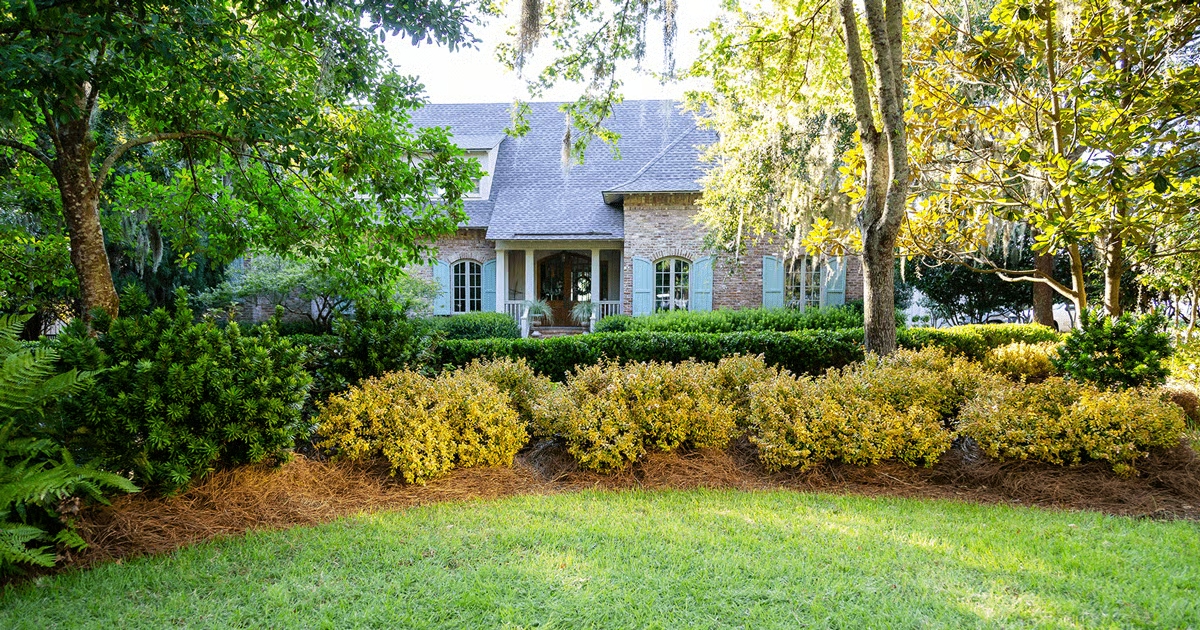
Abelia makes an excellent choice for foundation plantings, with compact varieties like ‘Little Richard’ and ‘Compacta’ working well at the front of homes and buildings[4]. However, proper placement prevents future problems with overcrowding and maintenance access.
Spacing from Structures
Plant on 4 to 6-foot centers to form a screen or foundation planting, slightly closer for a hedge[9]. Consider these factors when determining exact placement:
- Allow 3 feet minimum from foundation walls for air circulation and maintenance access
- Account for roof overhang and drip lines that can damage plants during rain
- Leave adequate space between windows and mature plant height
- Consider future growth—a small nursery plant may reach 6 feet tall and wide
Proper spacing guidelines prevent the common mistake of planting too close, which leads to plants blocking windows, paths, or air conditioning units within a few years.
Choosing Appropriate Varieties
Match variety size to available space rather than planning to control size through constant pruning. For foundation plantings, consider mature dimensions:
| Variety | Height | Spread | Best Use |
|---|---|---|---|
| ‘Little Richard’ | 2-3 ft | 3-4 ft | Under windows |
| ‘Rose Creek’ | 2-3 ft | 3-4 ft | Compact spaces |
| ‘Kaleidoscope’ | 2-2.5 ft | 3-4 ft | Colorful accent |
| Standard grandiflora | 6-10 ft | 6 ft | Screening |
Site plants near your living room or kitchen window to enjoy hummingbirds and butterflies up close[1]. Our variety comparison guide details size differences among popular cultivars.
Landscape Uses and Placement Ideas
Abelia’s versatility extends far beyond foundation plantings. Understanding the range of landscape uses helps identify the best locations throughout your property.
Hedges and Screening
The dense growth habit makes abelia excellent for hedges and privacy screens[15].
For formal hedges, plant slightly closer than the standard 4-6 foot spacing. Clip the top narrower than the bottom to allow adequate light to reach lower foliage, keeping plants full to the ground[9].
Informal hedges showcase abelia’s natural arching form while still providing effective screening. The cascading nature creates an attractive backdrop for flowering perennials and annuals.
Slopes and Erosion Control
Plant along steep banks for erosion control, taking advantage of the spreading habit and fibrous root system[9]. Dwarf varieties like ‘Kaleidoscope’ work well massed on slopes for attractive shrubby cover[5]. The dense growth suppresses weeds while root systems stabilize soil on difficult-to-mow areas.
Specimen and Accent Plantings
Larger varieties like ‘Canyon Creek’ or ‘Vanilla Brandy’ make elegant focal points with season-long foliage color[4]. Place specimens where their arching form can develop naturally without crowding from neighboring plants.
Companion Planting Considerations
When selecting your planting location, consider how abelia will interact with surrounding plants. The shrub combines well with a wide variety of perennials, trees, shrubs, and groundcovers[1]. Review our companion planting suggestions for specific pairing recommendations.
Compatible Plant Partners
Successful combinations include plants with similar cultivation needs:
- Spirea, weigela, and maiden grass for textural contrast
- Echinacea, salvia, and rudbeckia for pollinator gardens
- Hydrangea and boxwood for balanced, layered plantings
- Ornamental grasses for dramatic foliage combinations
Position abelia where its fine texture and small leaves contrast with larger-leaved companions[16].
The arching branches create interesting visual dynamics when planted near low-growing groundcovers or upright ornamental grasses.
Container Placement Options
Abelia adapts well to container growing, expanding location possibilities to patios, decks, balconies, and rooftop gardens. Compact cultivars like ‘Radiance’ and ‘Rose Creek’ work best for patio planters and urns[15].
Container Site Selection
Place containers where plants receive adequate sunlight—the same 6-hour minimum applies. Container plants may need afternoon shade in hot climates since roots heat up more than in-ground plantings. Ensure containers have drainage holes and position them where excess water can drain freely.
Move containers seasonally if needed to optimize light exposure or provide winter protection in marginal zones.
Avoiding Common Site Selection Mistakes
Poor site selection causes most abelia failures. Avoid these common errors:
Planting in wet areas: Constantly soggy soil causes root rot and eventual plant death. Test drainage before planting and improve or relocate if water stands for extended periods.
Insufficient light: Shaded locations produce sparse, non-flowering plants. Verify actual light hours rather than assuming an area receives adequate sun.
Ignoring mature size: Small nursery plants grow surprisingly large. A 1-gallon ‘Grandiflora’ can eventually reach 6-10 feet tall and 6 feet wide[17].
Exposed positions in cold zones: Wind damage and winter kill occur most frequently in unprotected locations. Use sheltered sites and hardy varieties in zones 6-7.
Planting in waterlogged or frozen ground: Wait for appropriate soil conditions rather than forcing poorly timed plantings[13].
Consider site-specific challenges and address them through proper winter care strategies and variety selection rather than fighting unsuitable conditions.
Site Assessment Checklist
Before finalizing your planting location, evaluate these factors:
- Sunlight: Minimum 6 hours direct sun for best flowering
- Drainage: Soil drains within several hours after saturation
- pH: Between 5.0-7.5, ideally 6.0-7.0
- Hardiness zone: Plant within recommended zones for chosen variety
- Wind exposure: Protected from harsh winter and drying winds
- Space: Room for mature width plus maintenance access
- Aesthetic considerations: Visibility from windows, relationship to other plantings
- Practical factors: Proximity to irrigation, ease of maintenance access
Conclusion
Selecting the right location for your abelia requires balancing sunlight, soil drainage, climate considerations, and intended landscape use. Plants thrive in full sun to partial shade with well-draining soil and protection from harsh winds, rewarding proper placement with years of fragrant blooms and attractive foliage. Take time to assess your specific site conditions, match variety selection to available space, and your abelia will become the low-maintenance anchor your landscape deserves.
Ready to move forward? Check out our guide on when to plant abelia for optimal timing recommendations.
Key Sources:
[1] Growing Abelia – How to Plant and Care for Glossy Abelia Plants | Garden Design
[2] Abelia–Tough But Beautiful | Piedmont Master Gardeners
[3] Sweet Emotion® – Hardy Abelia mosanensis | Proven Winners
[4] The Abelia Guide | Plant Detectives
[5] Abelia–Tough But Beautiful | Piedmont Master Gardeners
[6] Planting Abelia | Plant Addicts
[7] How to Plant, Grow, and Care for Kaleidoscope Abelia | Epic Gardening
[8] 24 Shrubs for Shade Gardens | Garden Design
[9] Abelia x grandiflora: Glossy Abelia | UF/IFAS Extension
[10] How To Plant, Prune, Fertilize & Water Abelia Shrubs | Wilson Bros Gardens
[11] How To Plant, Prune, Fertilize & Water Abelia Shrubs | Wilson Bros Gardens
[12] Abelia x grandiflora (Glossy Abelia) | NC State Extension
[13] How to Plant and Care for Abelia | BBC Gardeners World Magazine
[14] Optimal Hardiness Zones for Abelia | Greg App
[15] Flowering Abelia Shrubs | Nature Hills Nursery
[16] Abelia x grandiflora: Glossy Abelia | UF/IFAS Extension
[17] Planting Abelia Bushes | Gardening Know How