Cold Hardy Abelia Varieties: Best Cultivars for Northern Gardens
Standard glossy abelia tolerates temperatures down to 0°F (-18°C), but Sweet Emotion abelia survives winters as cold as -30°F (-34°C) in USDA zone 4[1]. The difference comes from their genetic origins, with Sweet Emotion bred from Korean species adapted to harsh continental winters. This guide covers the most reliable cold hardy abelia varieties and how to help them thrive in cooler regions.
Understanding which abelias perform best in your climate prevents winter losses and disappointment. For a complete overview of abelia care fundamentals, start with our comprehensive abelia guide.
Understanding Abelia Cold Hardiness
Most abelia varieties grow successfully in USDA zones 6-9, tolerating winter lows between 0°F and -10°F[2]. In zones 5 and 6, stems may die back to the ground during harsh winters, but established plants typically regrow from the roots in spring[3]. The shrub is generally cold-hardy to about 0°F, although some varieties handle extreme cold better than others[2].
Knowing your hardiness zone and local climate helps you select the right variety. Zone 6a gardeners face average winter lows of -10°F to -5°F, which represents the cold tolerance limit for most glossy abelia cultivars[4]. Zone 4 and 5 gardeners need specifically bred cold hardy varieties or careful site selection to succeed with abelias.
Pro tip: In borderline zones, choose a protected planting site near a south-facing wall or sheltered by other shrubs to create a warmer microclimate for your abelia.
Top Cold Hardy Abelia Varieties
Sweet Emotion (Abelia mosanensis)
Sweet Emotion stands as the hardiest abelia available, thriving in USDA zones 4-8[1]. Originally collected in Latvia, this variety was developed by Proven Winners ColorChoice Shrubs to enhance its pink flower buds and refined habit[5]. It grows 5-6 feet tall and wide with a rounded form[1].
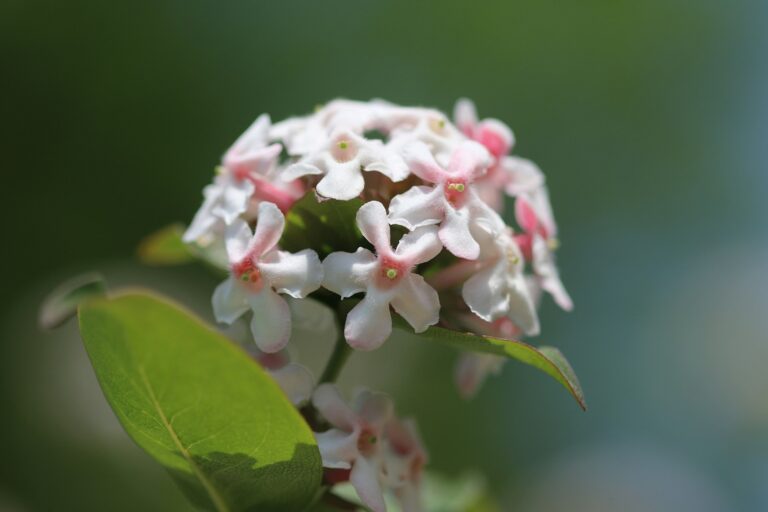
Unlike glossy abelia cultivars that bloom in summer through fall, Sweet Emotion flowers in late spring on old wood. The white and pink blooms produce an intense jasmine-like fragrance, making it the most fragrant abelia variety[1]. The glossy green foliage turns attractive orange in fall[1].
This variety performs poorly in the heat and humidity of the deep South (zones 7-9) but excels in cold climates where other abelias fail[6]. If you’re comparing different varieties for your climate, see our variety comparison guide for detailed hardiness comparisons.
Rose Creek
Rose Creek was bred by the University of Georgia and named after a creek in Oconee County, Georgia[7]. This compact cultivar grows 2-3 feet tall and 3-4 feet wide, making it suitable for foundation plantings and low hedges[7]. It handles USDA zones 6-9 reliably[8].
The foliage emerges with a pinkish cast in spring, matures to lustrous dark green in summer, and turns purple-green in cold weather[7]. White tubular flowers bloom from May through frost, surrounded by persistent rosy pink sepals that extend color even after flowers fade[9]. Winter dieback can occur in zone 6, but the shrub typically regrows from its base[7].
Rose Creek demonstrates excellent drought tolerance and heat resistance once established[8]. Its dense growth habit makes it ideal for protected planting sites near homes or garden walls.
Kaleidoscope
Kaleidoscope originated as a variegated branch sport discovered on a plant of ‘Little Richard’ in 1997[9]. It grows 2-3 feet tall and 3-4 feet wide in USDA zones 6-9[10]. The shrub is evergreen in zone 7 and warmer but becomes deciduous in colder zones[10].
The foliage creates the kaleidoscopic effect this cultivar is named for. New leaves emerge with lime green centers and bright yellow edges on red stems in spring[10]. Summer brings deeper green centers with golden margins, and fall transforms the leaves to shades of orange and fiery red[10]. Winter foliage hangs on better than many other abelia varieties[11].
Kaleidoscope tolerates winter temperatures down to -10°F and is reported as the longest-blooming of all abelias[11][12]. Soft pink buds open to fragrant white flowers from late spring well into autumn[10]. Understanding whether your abelia variety is evergreen or deciduous helps set proper expectations for winter appearance.
Little Richard
Little Richard is a compact cultivar reaching 2-3 feet tall and wide with a dense, rounded growth habit[3]. It thrives in zones 6-9 and shows good cold resistance within these zones[13]. The shrub originated as the parent plant from which Kaleidoscope was discovered[9].
New foliage emerges bright red, transitions to glossy vivid green in summer, and takes on tangerine-pink hues in fall[3]. Small white fragrant flowers bloom from summer until first frost[14]. The evergreen foliage may take on bronze or purplish tones during colder months[13].
This variety works well in containers, foundation plantings, and as low hedges. Its slow to moderate growth rate allows it to fill out densely to the ground[11].
Canyon Creek
Canyon Creek grows larger than other compact cultivars, reaching 3-6 feet tall and 4-6 feet wide[15]. It performs well in zones 6-9 and was also developed by Dr. Michael Dirr[3]. The shrub is semi-evergreen to deciduous in zone 7[3].
Distinctive coppery-pink leaves emerge in spring, transitioning to yellow and then green as the season progresses[3]. Light pink fragrant flowers bloom throughout the growing season against a backdrop of golden-tinted foliage[16]. The arching branches create an elegant, cascading form suitable for specimen plantings.
Comparison of Cold Hardy Varieties
| Variety | Hardiness Zones | Height | Width | Flower Color | Key Feature |
|---|---|---|---|---|---|
| Sweet Emotion | 4-8 | 5-6 ft | 5-6 ft | White/pink | Hardiest, most fragrant |
| Rose Creek | 6-9 | 2-3 ft | 3-4 ft | White | Compact, persistent sepals |
| Kaleidoscope | 6-9 | 2-3 ft | 3-4 ft | White | Colorful foliage year-round |
| Little Richard | 6-9 | 2-3 ft | 2-3 ft | White | Dense, compact form |
| Canyon Creek | 6-9 | 3-6 ft | 4-6 ft | Light pink | Bronze-tinted foliage |
Protecting Abelias from Cold Damage
Even cold hardy varieties benefit from winter protection, especially during their first few years while establishing root systems. Proper fall preparation sets plants up for winter survival.
Mulching for Root Protection
Apply a 2-3 inch layer of organic mulch around the base of your abelia before the ground freezes[17]. Wood chips, bark, or straw provide effective insulation while enriching the soil as they decompose[18]. Keep mulch several inches away from the stems to prevent moisture damage and discourage rodents[19].
Mulching prevents the freeze-thaw cycles that can heave newly planted shrubs out of the ground[19]. It also helps retain soil moisture during winter when roots cannot take up water from frozen soil.
Watering Before Winter
Water your abelia thoroughly in fall before the ground freezes. Soil that is too dry can cause roots to become desiccated, making plants more susceptible to cold damage[20]. Continue watering until a hard freeze or until the plant goes fully dormant[17].
Adequate soil moisture entering winter is crucial because broadleaf evergreens like abelia lose water through their foliage even during dormancy[19]. The roots must have moisture available below the frost line to replace what evaporates from leaves on sunny winter days.
Site Selection and Microclimates
Choose planting locations that offer protection from harsh winter winds and extreme cold exposure[4]. South-facing walls reflect heat and create warmer conditions, while buildings and established plantings provide windbreaks[4].
Urban heat islands, where cities retain warmth from concrete and asphalt, can extend abelia hardiness by nearly a full zone[4]. Container-grown abelias in cold zones should be moved to sheltered locations near the home or into unheated garages during severe cold[17].
Signs of Cold Stress and Damage
Recognizing cold damage early helps you respond appropriately. Common symptoms include:
- Leaf discoloration with yellowing or browning that indicates stress or frost damage[21]
- Wilting or drooping branches from insufficient water uptake or frost injury[21]
- Browning or blackening at branch tips (dieback) from extreme cold[21]
- Leaf drop even on semi-evergreen varieties in harsh winters[3]
If your abelia shows signs of winter damage, consult our troubleshooting problems guide for diagnosis and solutions.
Cold damage in abelias often appears as winter burn, where foliage loses water from strong winds and harsh winter sun faster than frozen roots can replace it[17]. Affected leaves may look bleached, discolored, or turn brown to black.
Spring Recovery After Winter
Even severely damaged abelias often recover from the roots if the plant was healthy before winter. Allow enough time for new growth to appear before deciding to remove or prune damaged plants[19].
Wait until late winter or early spring while plants are still dormant to prune away winterkill[17]. If top damage is severe, cut the shrub back to within 6-10 inches of the ground to encourage vigorous new growth[19]. For zone-specific guidance on reviving cold-damaged plants, see our spring care guide.
Proper winter care practices throughout the cold season help minimize recovery time and get plants blooming again quickly.
Choosing the Right Variety for Your Zone
Your USDA hardiness zone determines which abelia varieties will succeed long-term in your garden:
Zone 4-5 gardeners should focus on Sweet Emotion (Abelia mosanensis), the only abelia reliably cold hardy in these regions[1]. Site plants in protected locations and provide winter mulch.
Zone 6 gardeners can grow most glossy abelia cultivars including Rose Creek, Kaleidoscope, Little Richard, and Canyon Creek[10]. Expect some winter dieback in harsh years, but plants typically regrow. Sweet Emotion also thrives here with less winter damage.
Zone 7-9 gardeners enjoy the widest selection and best winter performance from all abelia varieties[2]. In these zones, abelias remain evergreen or semi-evergreen and rarely suffer significant cold damage.
Conclusion
Cold hardy abelia varieties bring year-round interest to gardens in zones 4-9 when matched appropriately to local conditions. Sweet Emotion offers zone 4 gardeners their only reliable option, while Rose Creek, Kaleidoscope, Little Richard, and Canyon Creek serve zone 6-9 landscapes reliably. Protect your investment with proper mulching, watering, and site selection to help these tough shrubs thrive through winter. For detailed information on different cultivars and their variegated foliage options, explore our complete variety guides.
Key Sources:
[1] Sweet Emotion® – Hardy Abelia mosanensis | Proven Winners
[2] Abelia–Tough But Beautiful | Piedmont Master Gardeners
[3] Abelia x grandiflora ‘Rose Creek’ | NC State Extension
[4] Optimal Hardiness Zones for Abelia: 6a-9b | Greg App
[5] Sweet Emotion® Abelia | ButterflyBushes.com
[6] Abelia mosanensis ‘SMNAMDS’ SWEET EMOTION | Missouri Botanical Garden
[7] Abelia ‘Rose Creek’ | Missouri Botanical Garden
[8] Rose Creek Abelia | Nature Hills Nursery
[9] Abelia x grandiflora | NC State Extension
[10] Kaleidoscope Abelia | Gardeners Confidence Collection
[11] Growing Abelias? 13 of the Most Popular Types | The Green Pinky
[12] Abelia Kaleidoscope Shrub | Perfect Plants
[13] Abelia x grandiflora ‘Little Richard’ | Gardenia.net
[14] Abelia Collection | Oklahoma State University Extension
[15] Canyon Creek Abelia | Taylor’s Nursery
[16] Canyon Creek Abelia | Pike Nursery
[17] Abelia Winter Care | Plant Addicts
[18] 10 Winter Threats to Your Abelia | Greg App
[19] Winter Protection for Landscape Plants | Oklahoma State University
[20] Rose Creek Abelia Winter Care Tips
[21] Top 9 Signs Your Abelia ‘Kaleidoscope’ is Stressed in Winter | Greg App