Abelia Hardiness Zones & Climate Requirements | USDA Zone Guide
Abelia planted in zone 5 may reach only 2-3 feet tall, while the same variety in zone 8 can grow 5 feet or taller[1]. This difference comes down to one critical factor: whether your local climate matches the plant’s hardiness requirements. Understanding USDA hardiness zones and regional climate conditions determines not just survival but how vigorously your abelia performs year after year.
Most abelia varieties thrive in zones 6 through 9, where winter temperatures typically stay above 0°F (-18°C)[2]. However, this range tells only part of the story. Factors like humidity, summer heat, wind exposure, and microclimates within your property all influence whether abelia merely survives or truly flourishes in your landscape.
Understanding USDA Hardiness Zones for Abelia
The USDA Plant Hardiness Zone Map divides North America into 13 zones based on the average annual extreme minimum winter temperature[3]. Each zone spans a 10°F range, with half-zones (designated “a” and “b”) representing 5°F increments for more precise plant selection[4]. When you see a plant labeled for zones 6-9, this indicates the coldest and warmest regions where that plant can reliably survive winter conditions.
For understanding what is abelia and its origins, knowing that these shrubs come from eastern Asia and Mexico helps explain their climate preferences. The updated 2023 USDA map, based on weather data from 1991-2020, shows that approximately half of the United States has shifted to a warmer half-zone compared to the previous 2012 edition[5].
Pro tip: Your local hardiness zone represents average minimum temperatures over 30 years, not the coldest it has ever been or could be in your area.
Glossy abelia (Abelia × grandiflora) and its cultivars represent the most commonly grown types, performing well across zones 6-9[6]. The shrub behaves as an evergreen in warmer zones but becomes semi-evergreen or deciduous as you move into colder regions. Some newer varieties like Sweet Emotion® abelia have extended this range dramatically, surviving in zone 4 where temperatures can plunge to -20°F to -30°F[7].
Zone-by-Zone Growing Expectations
Climate conditions vary significantly across the recommended growing range, and your abelia will respond differently depending on where you garden. Each zone presents distinct challenges and opportunities for these versatile shrubs.
Zone 6 (-10°F to 0°F)
In zone 6, abelia operates at the edge of its comfort zone for most varieties. The shrub is generally cold-hardy to about 0°F, though stems can die back to the ground during harsh winters[8]. Plants typically remain smaller than in warmer regions, with 2-3 feet being common for varieties that might reach 5 feet elsewhere[1]. The shrub becomes deciduous here, losing most or all leaves by winter.
When selecting where to plant abelia in zone 6, protected sites become essential. A south-facing wall or location sheltered from winter winds can make the difference between a thriving plant and one that struggles. In hardiness zone 6a specifically, this species will be semi-evergreen to deciduous depending on minimum winter temperatures and their duration[9].
Zone 7 (0°F to 10°F)
Zone 7 marks the transition point where abelia begins performing more reliably. Semi-evergreen behavior is typical, with the plant retaining roughly 50% of its leaves through winter[10]. Plants achieve better size and develop more consistent form compared to zone 6 gardens. Some cultivars like ‘Canyon Creek’ are semi-evergreen to deciduous in zone 7, particularly after harsh winters[9].
Winter dieback still occurs in colder zone 7 winters but remains less severe than in zone 6. The shrub recovers quickly in spring because abelia blooms on new wood, meaning winter damage doesn’t sacrifice flowering[6].
Zones 8-9 (10°F to 30°F)
These zones represent ideal conditions for abelia cultivation. Plants retain their foliage year-round, behaving as true evergreens[11]. The shrub reaches full mature size—6 to 10 feet tall with a similar spread for larger varieties—and develops the graceful, vase-shaped form that makes glossy abelia so attractive in the landscape[10].
‘Edward Goucher’ abelia, for example, typically grows to 2-3 feet in colder zones but reaches 5 feet in zones 8-9[1]. Heat, humidity, and summer sun in these regions mirror the plant’s native Asian habitats, allowing abelia to express its full potential[12].
| Zone | Winter Behavior | Typical Size | Growth Characteristics |
|---|---|---|---|
| 6 | Deciduous, potential dieback | 2-3 ft | Requires protection |
| 7 | Semi-evergreen | 3-5 ft | Reliable with care |
| 8 | Evergreen | 4-6 ft | Optimal performance |
| 9 | Evergreen | 5-8+ ft | Maximum growth |
How Climate Affects Abelia Foliage and Growth
Temperature patterns throughout the year influence more than just winter survival. Your understanding of abelia’s evergreen versus deciduous behavior depends heavily on regional climate conditions and the specific variety you choose.
In warmer climates (zones 7-9), most abelia varieties maintain their evergreen character, providing year-round interest in the landscape[13]. However, in cooler zones like 6 or even 7 during particularly cold, rough winters, plants may lose some or all of their leaves and can die back to the ground[14]. This doesn’t kill the plant—abelia regrows vigorously from the roots—but it does affect the shrub’s appearance and size from year to year.
The remaining leaves in cold climates take on more pronounced red and bronze coloring. Glossy abelia will lose roughly 50% of its leaves in colder climates, while the foliage that remains develops a more intense reddish color[10]. This winter coloration actually adds seasonal interest, though gardeners expecting a fully evergreen screen may be disappointed.
Heat tolerance is equally important for gardeners in the warmer end of the range. Abelia withstands temperatures up to 100°F, corresponding to zone 9b, making it suitable for regions with scorching summer temperatures[15]. Varieties described as heat-tolerant, like Brilliantina® and Poco Loco®, perform especially well in hot, humid southern gardens[16].
Humidity poses no significant challenge for abelia. These shrubs thrive where heat, humidity, and summer sun are the norm, which explains their popularity throughout the southeastern United States[12]. Consistent moisture without waterlogging supports healthy development, though established plants demonstrate impressive drought tolerance[17].
Cold-Hardy Varieties for Northern Gardens
If you garden in zones 5-6 or face challenging microclimates, selecting cold-hardy abelia varieties significantly improves your chances of success. Several cultivars push the boundaries of cold tolerance beyond the standard zone 6-9 range.
Sweet Emotion® abelia (Abelia mosanensis) stands apart as the hardiest option, thriving in zone 4 where no other abelia could grow before[7]. This variety was originally collected in Latvia and developed to withstand temperatures as low as -20°F to -30°F. Unlike most abelias that bloom on new wood throughout summer, Sweet Emotion® flowers on old wood in spring with an intense jasmine-like fragrance.
Other relatively hardy selections for borderline zones include:
- ‘Sherwoodii’: This compact cultivar demonstrates more cold hardiness than some other varieties, suitable for zones 5-9[18]
- ‘Rose Creek’: A compact form reaching 2-3 feet tall, known for retaining leaves longer in mild winters and performing reliably in zone 6[19]
- ‘Kaleidoscope’: The lowest-growing variety at 2-3 feet tall with chameleon-like foliage that hangs on better through winter than many others[20]
Tip: In borderline zones, select varieties specifically noted for cold hardiness rather than assuming all abelias perform equally in challenging climates.
‘Edward Goucher’ abelia, despite being a popular choice, is actually less cold hardy than glossy abelia and does best in zones 6a and warmer[1]. The variety shows excellent performance in protected locations but may struggle in exposed sites at the northern edge of its range.
Microclimate Strategies for Challenging Zones
Local conditions on your property can create microclimates that differ significantly from the surrounding region. Understanding and utilizing these localized variations allows gardeners to grow abelia successfully even in less-than-ideal climate zones.
Several specific microclimates can provide ideal conditions for abelia[15]:
South-facing slopes and walls receive more sunlight throughout the day, warming soil and air temperatures. Planting against a south-facing brick or stone wall creates a thermal mass effect, radiating heat back to the plant during cold nights. This approach can effectively raise your microclimate by a half-zone or more.
Urban heat islands develop in cities where concrete and asphalt absorb and retain heat. If you garden in a metropolitan area, you may have warmer conditions than the official zone designation suggests, creating opportunities for marginally hardy plants.
Protected garden beds shielded from harsh winds and frost pockets provide more stable environments. Cold air settles in low spots, so planting abelia on a slight slope or raised bed can prevent frost damage that occurs in valley floors[15].
When preparing for fall and winter, site selection proves just as important as variety choice. The shrub is frost tender and is best planted in a protected site to prevent freeze damage[6]. Areas sheltered from winter wind or frost pockets can protect plants from extreme weather, and features like walls and trees can create these beneficial microclimates[21].
Winter Protection and Cold Damage Prevention
Even in appropriate zones, extreme weather events or prolonged cold snaps can damage abelia. Taking preventive measures helps ensure your plants emerge healthy each spring. Your winter care routine should begin before the first hard freeze.
Winter burn represents the most common form of cold damage. This occurs when foliage loses water from strong winds, harsh winter sun, and cold temperatures while frozen roots cannot uptake water to replenish the loss[22]. Affected leaves become discolored, appearing bleached, brown, or blackish.
Practical protection strategies include:
Mulching around the base of the plant insulates roots from freezing temperatures and helps maintain soil moisture. Apply a 2-3 inch layer of organic mulch, refreshing it each fall[23]. In particularly cold regions, a thicker winter mulch layer keeps roots moist and protected[14].
Burlap wrapping or frost cloth shields foliage from desiccating winter winds and harsh sun. For semi-evergreen varieties, keeping leaves dry during winter prevents ice damage to foliage[24].
Proper fall watering continues until a hard freeze or full dormancy. Entering winter with adequate soil moisture helps plants withstand desiccation stress[22].
Container plants require extra attention. Move potted abelias to sheltered locations near your home, or into an unheated garage or shed. Water containers once a month during dormancy in protected locations[22].
In spring, remove any winterkill by pruning dead tips back to healthy wood while the plant remains dormant[22]. Since abelia blooms on new growth, this pruning doesn’t sacrifice flowers and actually encourages vigorous new stems that will bloom heavily.
Choosing the Right Variety for Your Zone
Comparing abelia varieties requires matching plant characteristics to your specific climate conditions. The table below summarizes popular cultivars and their climate performance:
| Variety | Zones | Height | Climate Notes |
|---|---|---|---|
| Sweet Emotion® | 4-8 | 5-6 ft | Hardiest; blooms on old wood |
| ‘Kaleidoscope’ | 6-9 | 2-3 ft | Holds foliage well in winter |
| ‘Rose Creek’ | 6-9 | 2-3 ft | Compact; cold-tolerant |
| ‘Edward Goucher’ | 6a-9 | 3-5 ft | Less hardy; protected sites |
| ‘Little Richard’ | 6-9 | 2-3 ft | Compact; reliable performer |
| ‘Canyon Creek’ | 6-9 | 4-6 ft | Semi-deciduous in zone 7 |
| Glossy Abelia | 6-9 | 6-10 ft | Classic; proven performer |
For understanding optimal sunlight requirements alongside zone selection, remember that full sun promotes better cold hardiness and more compact growth. Plants in partial shade may be more susceptible to winter damage due to weaker wood development.
In more mild climates, abelia easily grows to its maximum height, versus staying slightly smaller in colder climates[25]. This size differential should inform your variety selection—choose compact cultivars for zone 6 gardens where standard varieties may never achieve their listed mature dimensions.
Seasonal Climate Considerations
Climate influences abelia care throughout the entire year, not just winter. Timing your planting correctly around your local frost dates sets plants up for success.
Spring brings temperatures ranging from 60°F to 75°F, ideal for new growth and flowering as the plant awakens from dormancy[26]. This season represents the optimal planting window for most zones, giving roots time to establish before summer heat or winter cold arrives[16].
Summer heat can stress plants, particularly at the warm end of the hardiness range. Ensure adequate watering during prolonged dry spells, especially in extreme heat[26]. Established plants demonstrate drought tolerance but perform best with consistent moisture.
Fall preparation involves gradual watering reduction and mulch application as temperatures drop. Avoid pruning in mid to late fall, as this stimulates tender new growth vulnerable to freezing[27].
Winter requirements vary dramatically by zone. In warmer areas, plants continue growing slowly with minimal care. In colder zones, protection measures become essential, and some dieback should be expected and planned for.
For spring care after winter, timing varies significantly by zone. Zone 9 gardeners can prune and fertilize in February, while zone 6 gardeners should wait until all danger of hard frost has passed and new growth begins emerging—sometimes not until late April.
Troubleshooting Climate-Related Problems
Even well-matched plants encounter climate-related stress. Recognizing common problems and their solutions helps you respond effectively before damage becomes severe.
Winter dieback appears as dead branch tips or entire stems that fail to leaf out in spring. This is normal in zones 6-7 and simply requires spring pruning to remove damaged wood. The plant recovers quickly because flowering occurs on new growth[6].
Leaf scorch during summer shows as browning or yellowing leaf edges. In hot climates, provide afternoon shade and ensure adequate watering to prevent heat stress[28].
Premature leaf drop can indicate temperature stress from sudden fluctuations or prolonged exposure to extreme conditions. This survival mechanism helps plants conserve resources but leaves shrubs looking sparse temporarily[26].
Stunted growth often results from marginal zone conditions or poor site selection. Plants that repeatedly die back never achieve their full potential size. Consider relocating to a more protected microclimate or selecting a hardier variety.
Delayed flowering may occur after severe winter damage. Since abelia blooms on new wood, heavily damaged plants spend energy regrowing rather than flowering, potentially reducing bloom for that season.
Regional Growing Success Tips
Geographic location influences growing approaches beyond simple zone designations. States like North Carolina, Georgia, and California consistently experience the right balance of warmth and moisture for abelia cultivation[15].
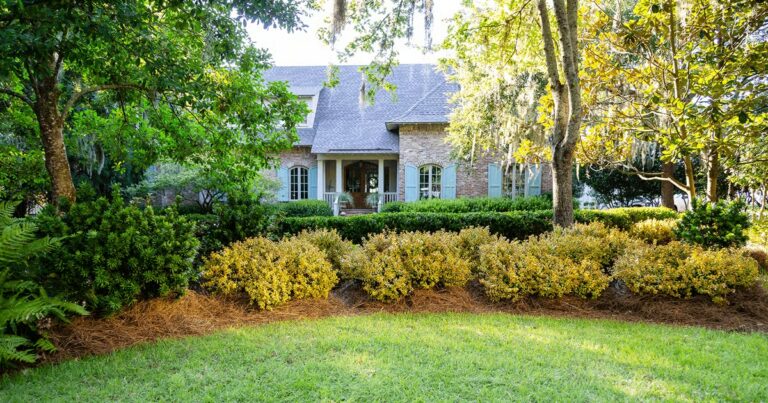
Southeast (zones 7-9): Abelia thrives throughout this region, acting as the reliable “gas station plant” that survives even demanding conditions surrounded by asphalt[29]. Heat, drought, and humidity pose no problems for established plants.
Mid-Atlantic and Northeast (zones 6-7): Protected sites and proper variety selection enable success. Expect semi-evergreen to deciduous behavior and plan for some winter maintenance.
Pacific Northwest (zones 8-9): Mild winters allow evergreen growth, but wet conditions require excellent drainage to prevent root rot.
Intermountain West (zones 5-6): Limited to the hardiest varieties like Sweet Emotion® and protected microclimates. Dry winter air reduces disease pressure but increases desiccation risk.
For the best outcome in any region, your complete abelia growing guide should account for local soil conditions, typical weather patterns, and your property’s specific characteristics alongside general hardiness zone information.
Conclusion
Successful abelia cultivation begins with matching your USDA hardiness zone to appropriate varieties, typically zones 6 through 9 for most cultivars. Climate factors beyond minimum temperatures—including summer heat, humidity, and local microclimates—further influence plant performance and appearance throughout the year.
Zone 6 gardeners achieve best results by selecting hardy varieties like ‘Kaleidoscope’ or ‘Rose Creek’ and providing protected planting sites. Warmer zone 8-9 gardens offer ideal conditions where abelia reaches full size and maintains evergreen foliage year-round. Regardless of your location, understanding how climate affects these resilient shrubs allows you to provide the right conditions for healthy, long-lasting plants.
Check your specific USDA hardiness zone using the official USDA Plant Hardiness Zone Map, then select varieties suited to your conditions for the best chance of growing abelia that thrives for decades in your landscape.
Key Sources:
[1] Abelia–Tough But Beautiful | Piedmont Master Gardeners
[2] The Abelia Guide | Plant Detectives
[3] 2023 USDA Plant Hardiness Zone Map | USDA
[4] USDA Plant Hardiness Zone Map | The Old Farmer’s Almanac
[5] USDA Unveils Updated Plant Hardiness Zone Map | USDA ARS
[6] Abelia x grandiflora (Glossy Abelia) | NC State Extension
[7] Sweet Emotion® Hardy Abelia | Proven Winners
[8] Abelias are tough and beautiful | LSU AgCenter
[9] Glossy Abelia | Virginia Tech
[10] Abelia x grandiflora: Glossy Abelia | University of Florida IFAS
[11] Abelia Varieties Collection | PlantingTree
[12] The Flowering Shrub That Has It All: Meet Abelia! | Nature Hills Nursery
[13] Abelia Shrubs for Sale | Plants by Mail
[14] Abelia Care | Plant Addicts
[15] Optimal Hardiness Zones for Abelia: 6a-9b | Greg App
[16] Growing Abelia – How to Plant and Care for Glossy Abelia | Garden Design
[17] Glossy Abelia Zones | Greg App
[18] 10+ Abelia Varieties to Enhance Your Garden | Spider Farmer
[19] Growing Abelias? 13 of the Most Popular Types | The Green Pinky
[20] Abelia x grandiflora Common Name(s): Glossy Abelia | NC State Extension
[21] How to Plant and Care for Abelia | BBC Gardeners World Magazine
[22] Abelia Winter Care | Plant Addicts
[23] Abelia x grandiflora ‘Little Richard’ (Glossy Abelia) | Gardenia
[24] How to Grow and Care for Abelia | Dreamscapes Florida
[25] Planting Abelia | Plant Addicts
[26] Best Temperature Conditions for Abelia | Greg App
[27] Abelia Varieties Collection | PlantingTree
[28] Abelia x grandiflora ‘Little Richard’ (Glossy Abelia) | Gardenia
[29] Abelia–Tough But Beautiful | Piedmont Master Gardeners